FAA and IATA provide CURRENT THINKING ON SAFETY CULTURE- what did they say??? And more!!!
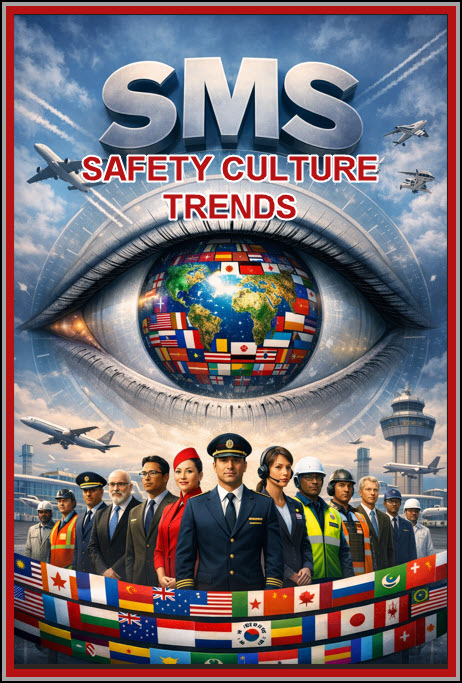
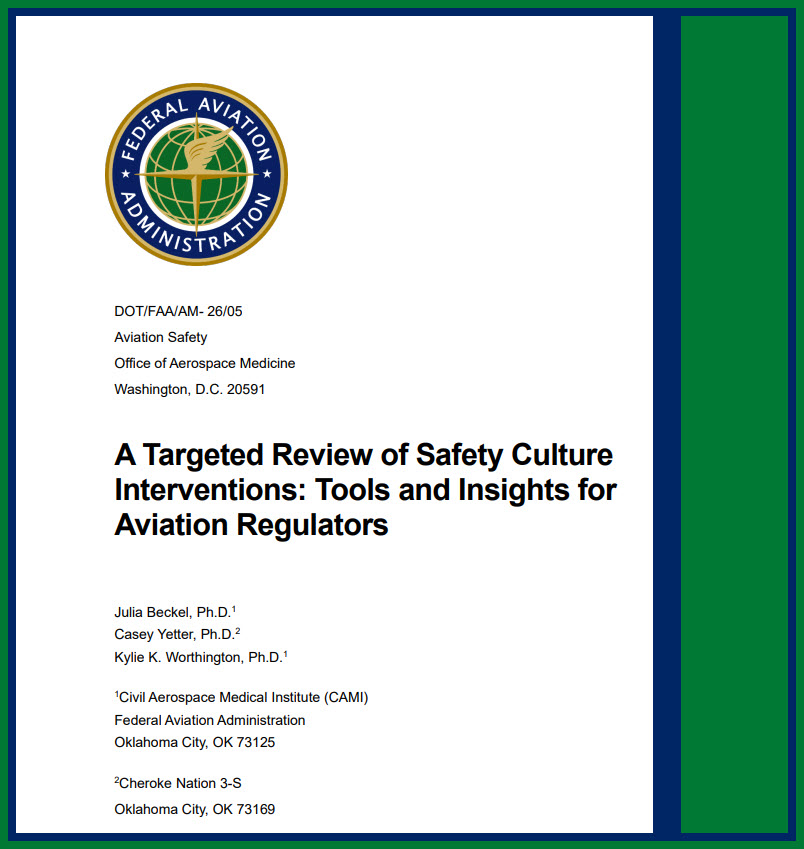
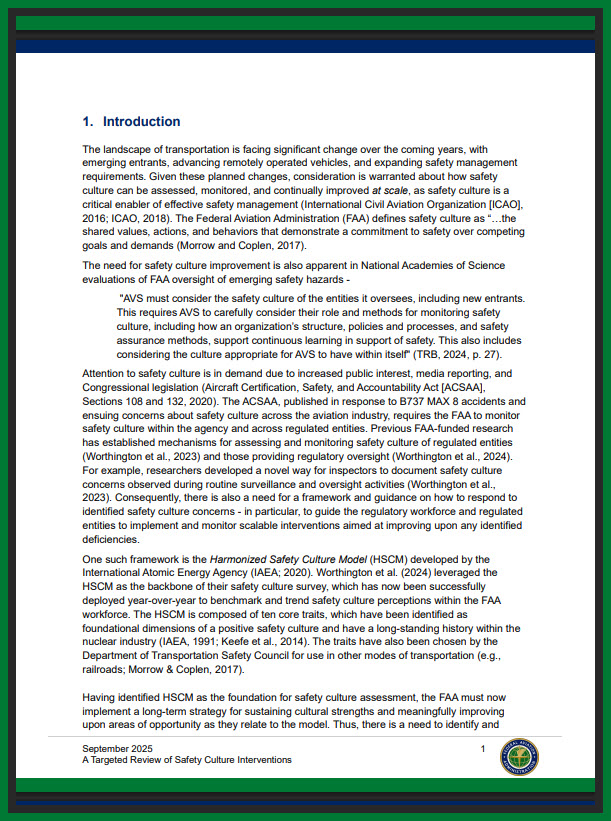
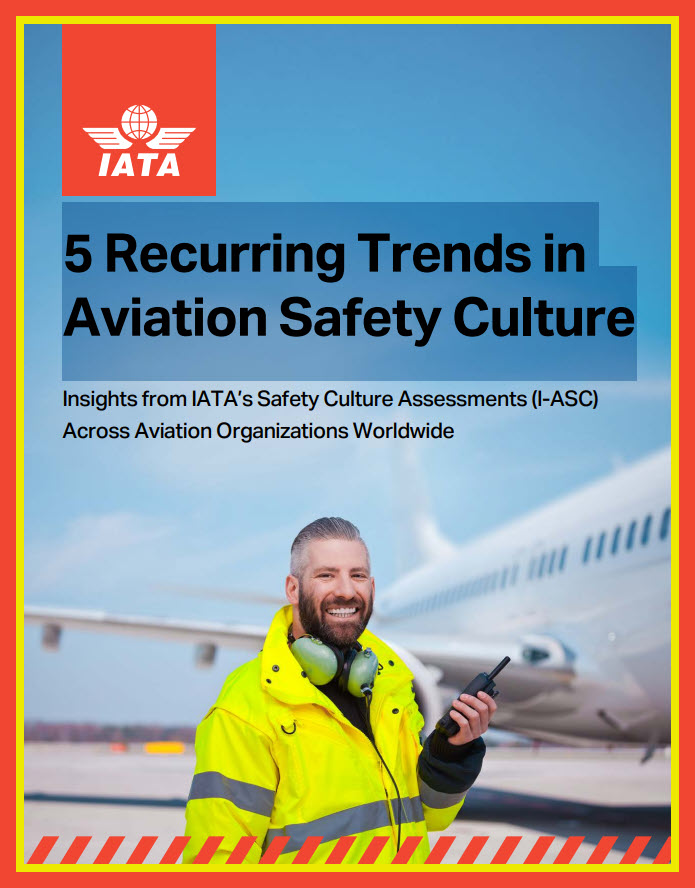
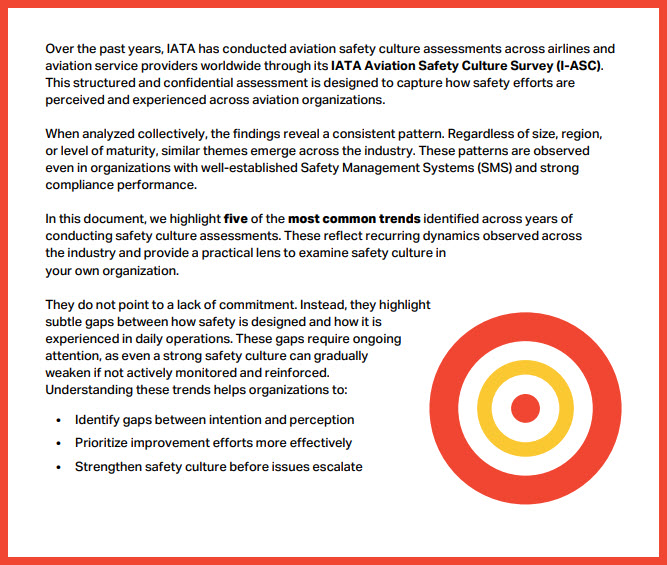
Recent SMS CULTURE TRENDS in aviation are reported in the two below authoritative reviews by IATA ( 5 Recurring Trends in Aviation Safety Culture) and the FAA (A Targeted Review of Safety Culture Interventions: Tools and Insights for Aviation Regulators). It would be well worthwhile use of your time to read both. JDA has experience with the various regulatory advisories and working with a long list of aviation concerns to help them define SMS systems suitable for their teams as well as assisting in diagnosis of the Safety Culture.
Below are thoughts incorporating the ideas expressed by FAA and IATA (as well as other pertinent documents) plus reflecting the experience of the JDA teams in consultations.
Following the Federal Register, SAFOs (the new quick recommended rules), ACs, directives, orders. and face-to-face contact with the FAAers who implement the policies, there is a consistent convergence around one theme: REGULATORS ARE PUSHING SMS FROM PAPER COMPLIANCE TO OPERATIONAL BEHAVIOR CHANGE.
- At the forefront of this emphasis is the agency’s expansion beyond airlines into charter, fractional, and AAM. The FAA’s Part 135 / 91K SMS requirements show a clear shift: SMS is no longer JUST an “airline thing.” No matter where the certificate holder may be in its SMS development, the FAA sees Operators must enter into fully structured risk management. Not just grab an existing program and delete old name/insert your company, but one that is thoughtfully tailored to the specifics of your business -identified risks, well-crafted prophylactic measures and commitment from the top managers (really are aware that their’s may be the most significant role in this regime) to the folks who really do the work (key measure of your safety DNA—do the people at the bottom of the pyramid fell 100% comfortable flagging a problem that they have flagged.
Why is the FAA inflicting this work on these entities-they’re small, leanly staffed and already overburdened with FAA paperwork—or so they say. The recent SUPPLY CHAIN crises and the quick profusion of SUPs from suppliers to major airlines DEMONSTRATE HOW ALL INVOLVED ARE CONNECTED, IF NOT DEPENDENT ON OTHER’S SAFETY CULTURE.

- Integration with digital systems, data, and AI
SMS is shifting from manual hazard logs to data‑driven, predictive systems. Regulators (FAA, EASA, ICAO) are now explicitly referencing:
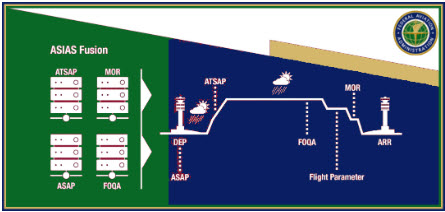
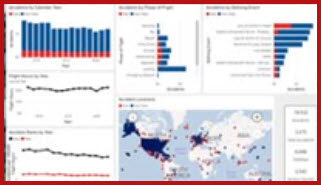
Why it matters: The next generation of SMS will be proactive, not reactive — especially relevant to your cockpit‑AI work. A linked data system is ONLY AS STRONG AS ALL OF THE INFORMATION. Bringing this standard to all translates to a reliable resource.
NB SMS’ future may all proactive, but currently it is fair to say that SMS as currently implemented per Part 5 and ICAO is reactive, proactive, and predictive.
-
-
- Reactive SMS: learns from accidents, incidents, and safety occurrences that have already happened. Corrective actions are taken to prevent recurrence.
- Proactive SMS: identifies hazards and manages risks before an accident or incident occurs through reporting systems, audits, inspections, and risk assessments.
- Predictive SMS: uses safety data, trends, and analysis to anticipate emerging risks and take action before hazards manifest
-
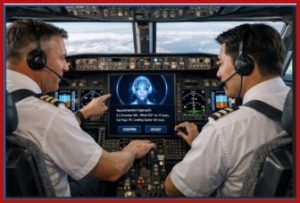 Human‑factors emphasis: transparency, workload, automation trust. SMS guidance is increasingly tied to human‑factors research:
 - automation predictability
- workload management
- information prioritization
-
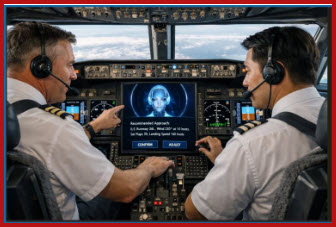
Why it matters: Regulators are acknowledging that safety failures often originate in human‑automation interaction, not hardware.
- SMS embedded in certification pathways
EASA and FAA are now treating SMS as part of certification readiness:
-
-
- production quality systems
- conformity inspection discipline
- organizational safety culture
- supplier oversigh
-
[not all of Parts 121, 135, 139, 145 state that SMS proposals are required under the current Part 5, field offices will be more favorably disposed if your package (required/voluntary) includes a smart SMS program)
Why it matters: the two attached brochures recognize that the old enforcement regime suboptimized SAFETY. SMS, well done, has a goal that every safety professional is committed to risk awareness and empowered to make their concerns known!!!
- SMS for eVTOL and vertiport infrastructure
SMS is being applied to:
-
-
- vertiport operations
- battery safety
- energy management
- high‑cycle urban operations
- autonomous or semi‑autonomous flight
-
Why it matters: AAM introduces new hazards (energy, autonomy, urban density). Regulators are embedding SMS early to prevent systemic risk. One of the lessons of the last wave of aeronautical innovation is
the GOOD NEWS that these new aircraft have attracted a lot of new participants
and
BAD NEWS THAT many of these new entrants come to their work without the safety values that have been inculcated in such awareness for years and are surrounded by individual professionals who hold Safety as their #1 priority.
The FAA’s early introduction to this risk management tool should start them with the best foundation.
- ICAO harmonization and global alignment–ICAO’s recent AI‑assisted operations language shows a push toward:
- harmonized SMS expectations
- cross‑border safety data sharing
- unified AI governance principles
Why it matters: Global operators need consistent SMS frameworks. ICAO is trying to prevent fragmentation as AI and AAM scale. As this data based method of addressing risk expands and presumably the quality of the information meets standards, VOLUME WILL INCREASE THE PREDICTABILITY AND RELIABILITY OF GLOBAL TREND LINES, e.g. as reports of cracked blades are noted by country Z with one aircraft, country A with 100 engines and country M with another 500 planes so equipped, the insignificant Z’s report added to A and M creates a statistical warning to all with that engine.
- Focus on organizational behavior, not documentation
Regulators are increasingly auditing:
-
-
-
- safety culture
- leadership accountability
- reporting participation
- corrective‑action follow‑through
-
-
Why it matters: SMS is becoming a behavioral system, not a traffic cop ticket writer. By increasing the countries so aligned, the companies so engaged and all aviation professionals committed, the SAFETY EYE grows exponentially. This is the most important cultural shift in the last decade.
We’re ready and fully loaded with a wide range of experience to assist you in initiating your SMS and later checking whether your SAFETY CULTURE is vibrant.

5 Recurring Trends in Aviation Safety Culture
Link to full 11 pages of the brochure
A Targeted Review of Safety Culture Interventions: Tools and Insights for Aviation Regulators
↑ link to full 38 pages