What the US and EASA are doing to interdict SUPs and how should you prepare?
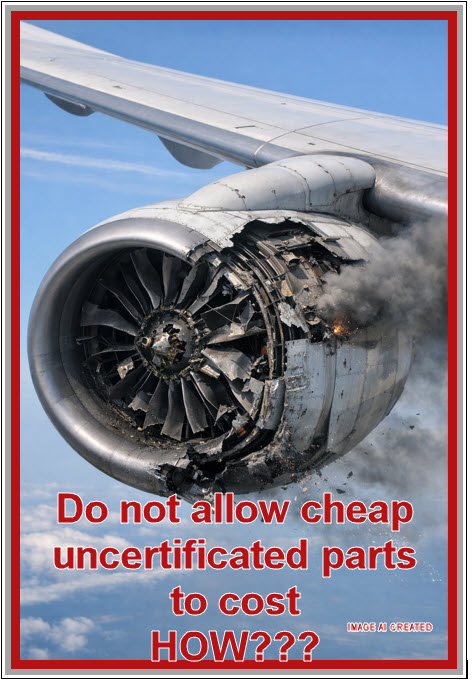
AVIATION SAFETY DEPENDS ON DOCUMENTATION TO ASSURE THE AIRWORTHINESS OF ITS PRODUCTS. EASA recently participated in an EU conference attended by IP and customs experts on the subject of “ways to combat counterfeiting in transportation systems.” The multi-disciplinary session must have found some interesting observations about, and tactics to interdict SUSPECTED UNAPPROVED PARTS (SUPs).
It is important to review (i) how the counterfeiters are upping their game and (ii) what the US,FAA ,and JDA have as proactive tools.
(i)Modern SUPs often mimic legitimate documentation so convincingly that even experienced inspectors struggle to detect them. Key trends include:
- Digital forgery and metadata manipulation: Counterfeiters now replicate FAA Form 8130‑3 airworthiness tags and EASA Form 1 certificates using authentic serials from scrapped or cannibalized aircraft. Metadata in PDFs is altered to match legitimate production runs.
- AI‑assisted document generation: Some suppliers use generative tools to create plausible maintenance histories, inspection reports, and traceability chains that pass initial audits.
- Cross‑jurisdiction laundering: Parts are moved through multiple brokers across different regulatory zones (e.g., EU‑US‑Asia) to obscure origin, exploiting gaps between Part‑145 and Part‑21 oversight.
- “Curated inventory” schemes: Warehouses advertise “curated” or “heritage” stock — implying provenance — but often mix genuine surplus with unapproved components that have been cosmetically refurbished.
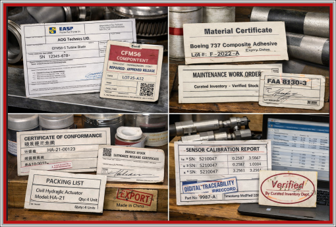
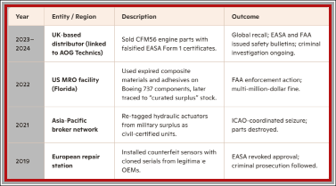
[More detailed reviews of these cases.]
(ii) To fight this invidious threat to aviation safety there are the following tools:
- The closest U.S. combined anti-counterfeiting framework includes:
- National Intellectual Property Rights Coordination Center (IPR Center)– coordination and investigations.
- U.S. Customs and Border Protection (CBP) – border interdiction and seizure of counterfeit goods.
- USPTO– trademark and patent administration, analogous to EUIPO’s registration functions
Together, these organizations perform many of the functions that OLAF and EUIPO perform in Europe, including efforts to combat counterfeit products affecting transportation systems and supply chains.
(ii) The FAA operates a dedicated Suspected Unapproved Parts (SUP) Program
a)to identify, investigate, and remove counterfeit, fraudulent, or otherwise unapproved aviation parts from the marketplace. Including:
-
-
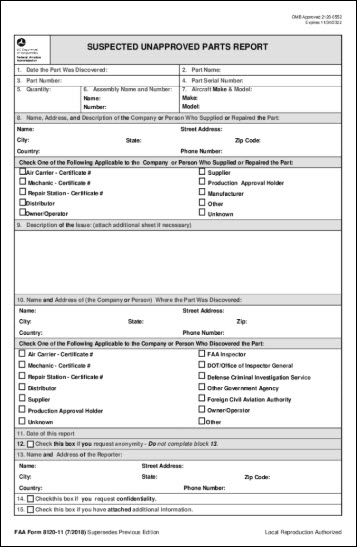
- A formal reporting system (FAA Form 8120-11).
- Public notifications about unapproved parts.
- Guidance for maintenance facilities and suppliers on detection and prevention.
-
b)Advisory Circular AC 21-29D, provides the aviation community guidance on detecting and reporting suspected unapproved parts. 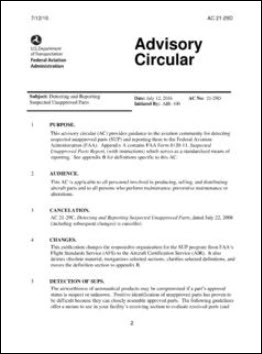
-
- Verifying documentation and traceability.
- Evaluating suppliers.
- Inspecting parts for altered markings, counterfeit paperwork, or unusual characteristics.
- Preventing installation of questionable components.
c)Certification and Traceability Controls
The U.S. system requires aircraft parts to originate from approved production systems, such as:
-
-
- Type Certificate holders.
- Production Certificate holders.
-
-
-
- Parts Manufacturer Approval (PMA) holders.
-
-
-
- Technical Standard Order Authorization (TSOA) holders.
-
These requirements create a documented chain of custody and airworthiness record. Traceability documentation, including FAA Form 8130-3 and related records, is a major defense against counterfeit parts entering the supply chain.
d)Enforcement and Criminal Investigations
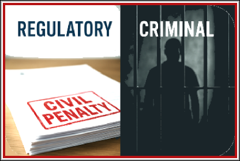
When counterfeit parts involve fraud, falsified documents, or deliberate deception, U.S. authorities can pursue civil and criminal enforcement actions. The FAA works with federal investigators and prosecutors to investigate fraudulent activities that threaten aviation safety. The agency’s SUP program explicitly investigates reports and takes action when parts are determined to be unapproved. [MORE INFORMATION ABOUT FAA’s HEIGHTENED ACTIONS]
e)Industry-Wide Supply Chain Initiatives
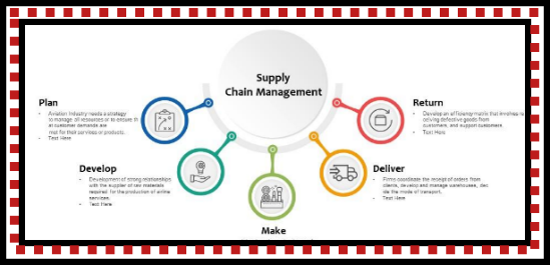 In recent years, industry concern about falsified documentation and counterfeit engine components has led to broader collaboration across the aviation
 sector. Major manufacturers, airlines, and maintenance organizations have supported efforts to strengthen:
-
-
-
- Vendor accreditation.
- Document verification
- Parts traceability.
- Supply-chain integrity controls.
-
-
f)Training and Awareness-Training courses and safety courses are available to identify and report suspected unapproved parts. These programs are aimed at mechanics, inspectors, repair stations, and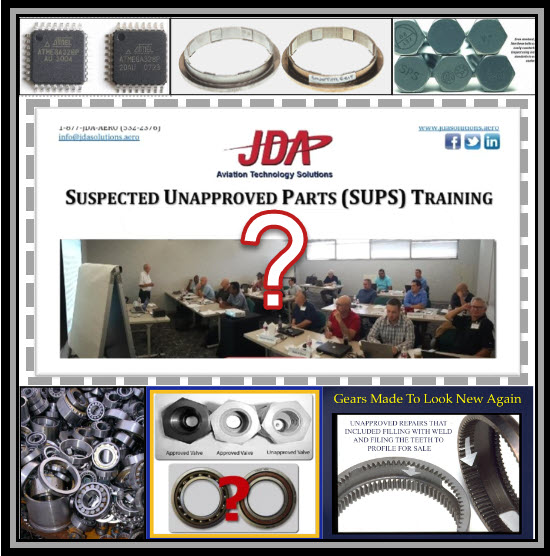 other aviation professionals who are often the first line of defense against counterfeit components. Especially powerful are training sessions tailored to the specific risks to which your airline, repair station, or parts supplier are exposed
EUIPO joins forces with OLAF to protect critical sectors from counterfeits threatening public safety

The EUROPEAN ANTI-FRAUD OFFICE (OLAF) and the European Union Intellectual Property Office (EUIPO) brought together customs authorities, international organisations and industry experts to discuss ways to combat counterfeiting in transportation systems, critical infrastructure and communication networks – sectors that underpin Europe’s economy, security and daily life.
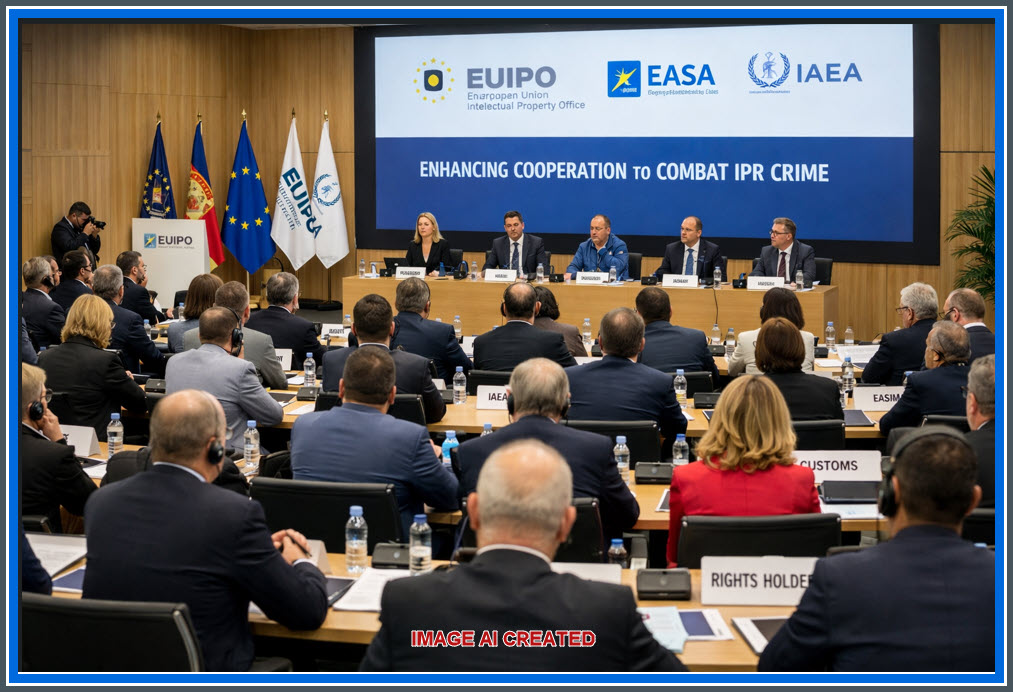 Participants discussed how to strengthen Europe’s ability to detect illicit products, support legitimate businesses and safeguard the technologies and infrastructure on which citizens and economies depend. They also exchanged expertise and best practices through case studies, live demonstrations of investigative tools and discussions with companies active in aviation, road transport, communications, health and energy. A dedicated panel discussion examined how stronger enforcement of intellectual property rights contributes to innovation, economic growth and security.
Counterfeiting in these sectors was highlighted as a threat that goes far beyond financial loss. Fake components and equipment used in aircraft, energy systems, telecommunications infrastructure or healthcare technologies can compromise safety, disrupt essential services and even create risks for national security. Counterfeit products are also frequently linked to organised cross-border network of fraudsters, making effective enforcement and international cooperation essential

