Ashville’s new ATCT tech and HUMAN FACTORs
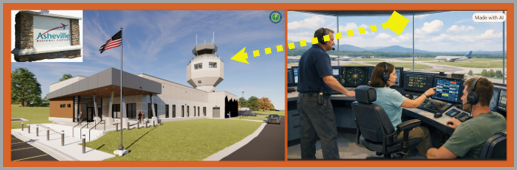
The FAA Administrator announced, in the attached article, that the Asheville Regional Airport’s new air traffic control tower is significantly more technologically sophisticated. What close reading of the improvements included in this event revealed that an important aspect of the benefits to ATC safety
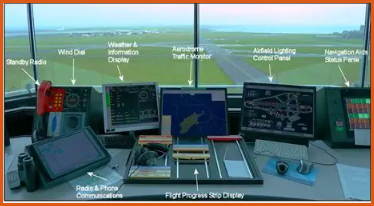
It is significant that the new121‑foot air traffic control tower provides the men and women there a fully modernized controller workspace. Here the controllers had direct input into its design, and this explanation of what workspace looks like, why it’s better, and how controller feedback shaped it.
-
-
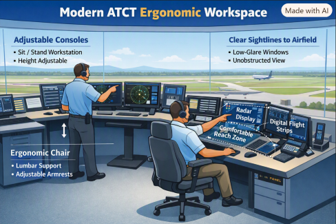
- Modern FAA tower cabs are designed around controller comfort and endurance, reducing fatigue during long shifts.
- Adjustable consoles
- Better chair design
- Reduced reach distances
- Cleaner sightlines to the airfield
- Panoramic glass with improved glare control and thermal performance
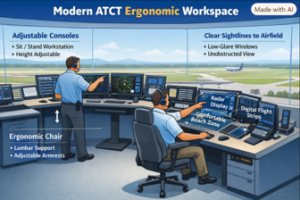
- Ergonomic consoles with adjustable height (sit/stand)
- Integrated digital voice switch panels
- Touchscreen flight‑data systems replacing paper strips
- Consolidated radar/surveillance displays
- SAI (Surface Awareness Initiative) monitor for real‑time ground movement
- Redesigned lighting to reduce reflections and eye strain
- Improved cable management and clean sightlines
- Cleaner workflow: Modern towers consolidate multiple systems into fewer screens, reducing clutter and cognitive load.
-
And the controllers’ performance will be enhanced by these additions:
-
-
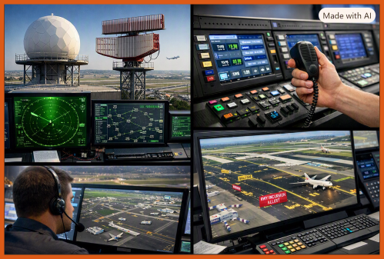
- Digital systems replace legacy analog tools
- Digital voice switches → faster, more reliable comms
- Electronic flight strips → no more paper strips
- Integrated radar + SAI → controllers see aircraft and vehicles in real time
- State‑of‑the‑art radars providing precise aircraft position, altitude, flight number, and emergency status — a major leap from legacy systems.
- Modern digital voice switches replacing 1990s analog systems, enabling faster, more reliable communication with aircraft and adjacent facilities.
- Surface Awareness Initiative (SAI) for real‑time tracking of aircraft and vehicles in any weather, even when out of tower sightlines — improving runway safety and reducing delays.
- Tower Simulation System (TSS) for controller training, projecting airport‑specific scenarios and reducing training time by ~30%.
-
President Trump’s Secretary of Transportation Duffy[1] has heralded his Brand New Air Traffic control System for the equipment additions to the system. What the Ashville story
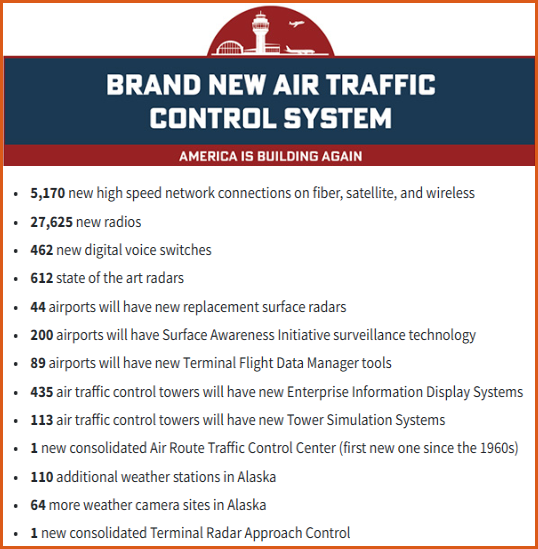
revealed was how thoughtfully these upgrades are benefitting what the safety experts rank as THE major ATC risk factor as the Human factors (fatigue, workload, staffing, cognitive load). Consistently ranked #1 by FAA’s National Safety Review, NTSB safety recommendations, NASA ASRS (Aviation Safety Reporting System), and International Civil Aviation Organization (ICAO). Technology ranks #2, but it’s tightly intertwined with human factors.
FAA Modernizes Air Traffic Control at Busy North Carolina Airport
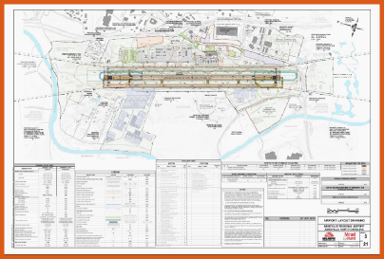

The Federal Aviation Administration (FAA) is bringing air traffic controllers at North Carolina’s Asheville Regional Airport (AVL) into the 21st century with the opening of a new air traffic control tower.
The 121-foot tower replaces the old facility built back in 1961 and provides controllers with a MODERN WORKSPACE as air traffic demand surges at the western North Carolina travel hub.
According to the FAA, air carrier operations at AVL have increased by more than 300 percent over the last 10 years, making it the third-busiest airport in the state behind Charlotte Douglas and Raleigh-Durham.
The FAA provided $31.7 million through the Infrastructure Investment and Jobs Act (IIJA) to build the new tower and awarded $10 million through IIJA to expand and modernize AVL’s terminal, increasing gate capacity from five to 12.
“Air traffic controllers need MODERN INFRASTRUCTURE AND TECHNOLOGY to keep up with growing demand,” FAA Administrator Bryan Bedford said in a statement.
“In the aftermath of Hurricane Helene in 2024, OUR CONTROLLERS managed a dramatic increase in traffic to support recovery efforts,” he added. “They deserve a modern facility and 21st-century tools to continue providing safe and efficient air traffic services to western North Carolina.”
The new tower will receive key equipment upgrades, which will be installed by the end of 2028, including
-
-
-
- state-of-the-art radars,
- modern voice switches replacing analog systems from the 1990s
-
-
and
-
-
-
- Surface Awareness Initiative (SAI),
-
-
enabling air traffic controllers to track aircraft and vehicles in real-time in any weather condition.
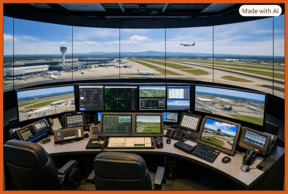 The FAA has also improved ATC training efficiency at AVL, installing a new Tower Simulation System (TSS) that allows controllers to train in a controlled environment by projecting airport-specific operations and scenarios.
[1] Evidentially the current Secretary wants to know that he is different from #45’s DOT Secretary Chao.
