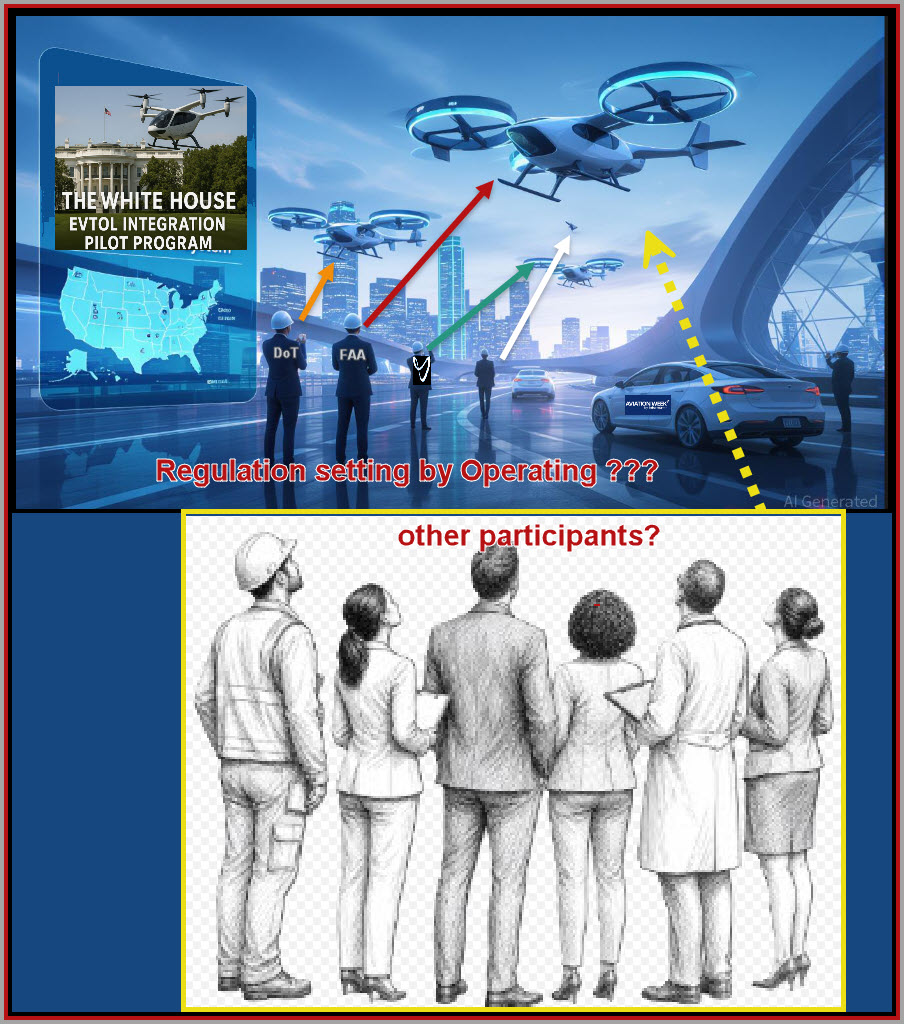
eIPP is running finding interesting OEM sharp points- ALL participants should be getting insights from these tests!!!
 has published a fascinating article based on a speech delivered by Joby’s lead on FAA regulatory affairs, Ryan Naru. He explains how his company’s participation in the FAA‘s eVTOL Integration Pilot Program (eIPP) is finding “SHARP EDGES” betwixt the reality of the flights and the regulatory rules envisioned in eIPP.
His examples demonstrate the value for an OEM of the setting rules by observing real flights-
- As the complexity of the airspace architecture increased, they found that the eIPP rules and some of the existing and modified (Genot intelligence) ATC requirements were not congruent, for example
- “Operations in the East River Corridor are regulated per Part 93 as a special flight rules area [SFRA] and there are regulations that apply specifically to airplanes and specifically to helicopters … [but] powered lift are not regulated according to those rules.”
- “Minimum safe altitude rules will be an area that is going to require further refinement in terms of further guidance, if not rulemaking.” he said. Current language in the Special Federal Aviation Regulation for Powered Lift refers to thrustborne and wingbore flight modes for minimum safe altitudes, visibility, and reserves.
This process is novel for it resembles SETTING STANDARDS BASED ON REAL OPERATIONAL EXPERIENCE. The observations of the Joby team provided the real world experience that may guide the crafting of a final rule. Much akin to submitting comments in response to a proposed rule.
It makes sense; it is not 100% intuitive whether the capabilities of these dynamic aircraft can or cannot meet FAA standard ATC operating procedures. The data from the Joby flights provide information about whether the ATC strictures are appropriate for eVTOL flights in high traffic corridors.
The article did not include the safety consequences of the proposed eVTOL modified ATC rules. Presumably there was data collected concerning potential problems in directing, for example, an eVTOL pilot, according to Joby, is unable to distinguish between hoverborne and wingbore flight– does that lack of PIC knowledge expose a safety risk or does the JOBY type certification proof show no matter what mode, the vehicle is able to maintain the altitude, speed, and direction set by ATC?
This explanation of one aspect of how eIPP is working is most instructive for OEMs, but NOT THE OTHER PARTICIPANTS IN THIS NATIONAL EXPERIMENT. BUT-
- Future operators,
- EVTOL port developers,
- infrastructure partners (particularly energy providers),
- state/county/city governments (administrators and legislators),
- economic development organizations,
- potential customers
and
- a whole host of other potentially interested parties
SHOULD PARTICIPATE in these TESTS!!! Grabbing a clipboard, binoculars or sound level meter will not make a representative prepared to gather information relevant to your interests. The Joby case provides a glimpse of how opaque these eIPP demonstrations will be; the OEM see greater operating freedom based on the flights, but a city with aspirations for robust eVTOL commerce might want to know
- “how low,”
- Drawing alternative ATC routes is a very arcane skill and the FAA tends to design for operational convenience- help is needed to find an approach that’s safe, efficient, and community friendly.
- “what the rules mean for zoning”
- A gradual approach may be most effective for flight, but a short steep descent may limit noise impact.
- Joby was able to use its GEACS chargers in NYC,
- What energy demand means for other cities.
- The NYC test case used 3 different urban ports and JFK.
- That’s well known infrastructure with significant capabilities, how does it relate to my community?
- The Joby eVTOL had no passengers or cargo-
- A future operator/customer wants to know what an eVTOL can deliver in terms of selling seats and carrying cargo requiring expedition.
That’s a short list of things that an FAA subject matter expert can add to participants’ learning from these tests. There’s a rush to the expanding low altitude aerial commerce because of the potential economic benefits for public and private organizations entering this sector. To maximize the information gained FROM YOUR UNIQUE PERSPECTIVE, you will need more than a clip board; you need a team that can ferret out important ATC, noise, energy, safety, capabilities, etc.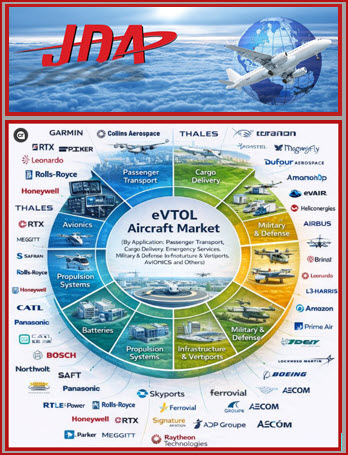

Joby Hopes N.Y. eVTOL Demos Will Help Smooth Air Taxi Regulations
GRAHAM WARWICK arahamwarwickgavtatorwaak.com
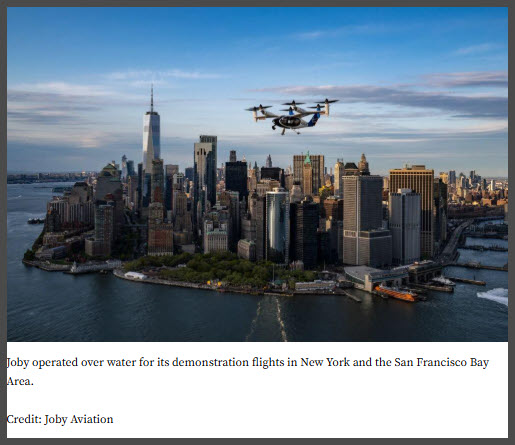
After COMPLETING DEMONSTRATION FLIGHTS with its electric air taxi first in the SAN FRANCISCO BAY AREA AND THEN IN(link to video) NEW YORK, Joby Aviation is taking the lessons learned into its planning for operations set to begin this year under an FAA pilot program.
 The demonstrations in commercially relevant environments revealed “SHARP EDGES” in the current regulations that Joby hopes can BE SMOOTHED OUT as a result of experience gained under the FAA’s three-year eVTOL Integration Pilot Program (eIPP). aviation policy and regulatory affairs lead Ryan Naru said on May 7.
The flights under Joby’s Electric Skies tour were initially enabled by an update to FAA order JO 7110-65, which was issued in October Naru told the Vertical Flight Society’s Forum 82 in West Palm Beach, Florida.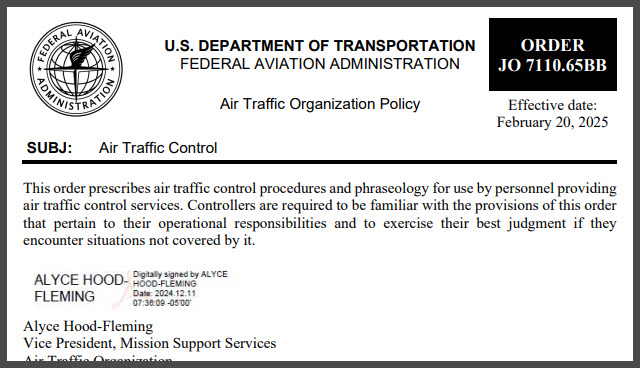
This order prescribes the air traffic control procedures and phraseology to be used in providing separation services and the update combined powered-lift aircraft such as Joby’s S4 eVTOL under the same separation guidance now provided to helicopters.
“I think that is a reflection not just of the national strategy, but also of the operational learnings that have come with years of hard work to demonstrate the capabilities of these [powered-lift] aircraft,” he said, noting not just Joby’s efforts but the fact that Leonardo’s AW609 tiltrotor has been flying in the U.S. national airspace system (NAS) for several years.
“Following the October release of that guidance, Joby began operations on an increasing cadence of complexity, which required more FAA lines of business to get involved, he said.
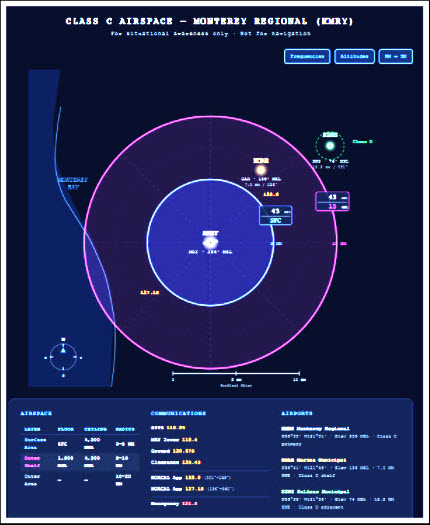
STARTING WITH FLIGHTS IN CLASS D AND “SLEEPY” CLASS C AIRSPACE BETWEEN MARINA, MONTEREY AND SALINAS, CALIFORNIA, Joby began exercising those air traffic control procedures and planning a demonstration flight to Oakland International Airport in the Bay Area, which was completed in March.
“Oakland] is another Class C facility. [but] the integration challenge there was the next level up,” Naru said. “They have a much higher volume of traffic, not just at Oakland itself … but also the intersection with all the San Francisco International traffic just across the bay. Demonstrating our airspace integration capability to fit in with just the other helicopters in the same operating environment was a key step forward.
As Joby prepared to carry this momentum forward to New York, the FAA in mid-March issued a general notice (Genot)intelligence’ suspending the use of visual separation between airplanes and helicopters and requiring air traffic controllers to use radar-based separation where helicopter routes intersect with airport arrival and departure paths. This resulted from the January 2025 fatal midair collision between a U.S. Army helicopter and a regional jet at Reagan Washington National Airport.
“The Genot language is pretty high level, Naru said. “There were significant interpretation challenges for controllers across the NAS that VAI trade association Vertical Aviation International] was instrumental in helping to resolve.”
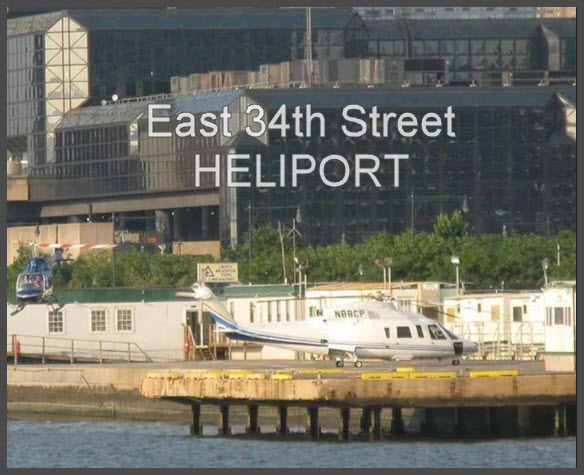 Once in New York, Naru said, Joby faced the complexity of operating from three existing locations. DOWNTOWN MANHATTAN, EAST 34TH STREET AND WEST 30TH STREET, that are existing heliports
“and don’t necessarily meet the baseline standards that we have [for vertiports] today. [But] SHOWED THE JOBY AIRCRAFT CAN FIT INTO THOSE ENVIRONMENTS SEAMLESSLY.”
The heliports did not have fixed chargers, but Downtown Manhattan and East 34th Street will by the end of the year, he said, to support more frequent operations planned in the New York area under the eIPP.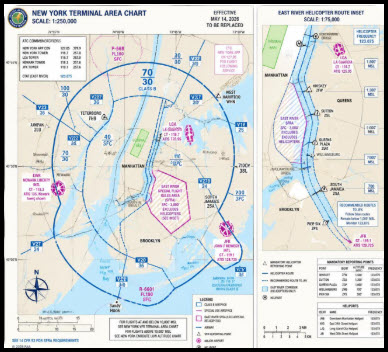
Airspace integration posed some challenges and Joby is hoping for “regulatory smoothing” under the eIPP. “Operations in the East River Corridor are regulated per Part 93 as a special flight rules area [SFRA] and THERE ARE REGULATIONS THAT APPLY SPECIFICALLY TO AIRPLANES AND SPECIFICALLY TO HELICOPTERS … [BUT] POWERED LIFT ARE NOT REGULATED ACCORDING TO THOSE RULES, Naru said.
“Minimum safe altitude rules will be an area that is going to require further refinement in terms of further guidance, if not rulemaking.” he said. Current language in the Special Federal Aviation Regulation for Powered Lift refers to thrustborne and wingbore flight modes for minimum safe altitudes, visibility, and reserves.
“BUT FOR AN AIRCRAFT LIKE JOBY’S WHERE THERE ARE NO FLIGHT MODES-IT’S A CONTINUOUSLY VARIABLE STATE BETWEEN HOVER AND WINGBORE FLIGHT-THAT IS NOT IMMEDIATELY TRANSPARENT TO THE PILOT OR THE REGULATOR,” he said. “Making sure there are more ap- propriate performance-based criteria that do have transparent compliance metrics associated with them is important.”
Because of the ambiguity with respect to minimum safe altitudes and structures along the river, Joby elected “not to operate north of the southern tip of Roosevelt Island and to only enter and exit the SFRA for the purposes of taking off and landing, Naru said. “Finding specific sharp edges like that … only happen when you plan real operations with these aircraft in meaningful, commercially relevant environments.” •
AVIATION WEEK’

