Civilian Aviation Safety v. Military Morale?
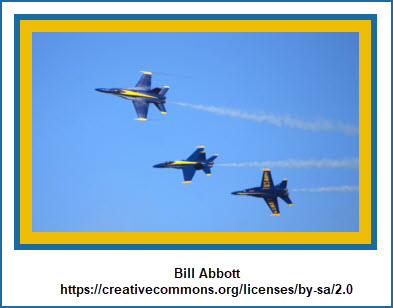
The Secretary of War, after a Blue Angels flyover by flying below safe minimum altitudes and thus violating the orders of their commanding officer, ISSUED THIS DIRECTIVE on X:
“The flyovers will continue until morale improves.”
Stated more realistically, the Secretary will continue to support this failure to respect the orders of their immediate superior UNTIL THERE IS A CRASH.
This revision of the quote is strongly supported by POLITICO’s excellent analysis of the deteriorating relationship between the Secretary of War and “President Trump’s Secretary of Transportation. The article to caustic remarks by the Chair of the Senate Commerce Committee (with jurisdiction over the FAA) Senator Cruz. The writers chronicle
-
-
- the DOW’s use of a Laser Weapon near commercial flights,
- the DOW’s opposition to the Rotor Act in response to the Blackhawk helicopter collision with an American Eagle at DCA;
- the FAA Administrator’s statement that the FAA-DOW relationship is strained;
- quotes by former FAA staff to the effect that DOD pretty much gets its way most of the time
-
PLUS
-
-
- the second story below that the DOW turned on its GPS scrambling[1] for a medevac flight that crashed
-
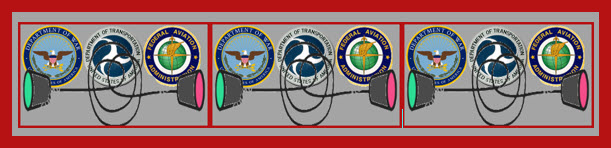
One of the reasons why DOD has had its way is found in the history of their relationship as told in this past blog post and visually demonstrated in this chart showing the degree to which
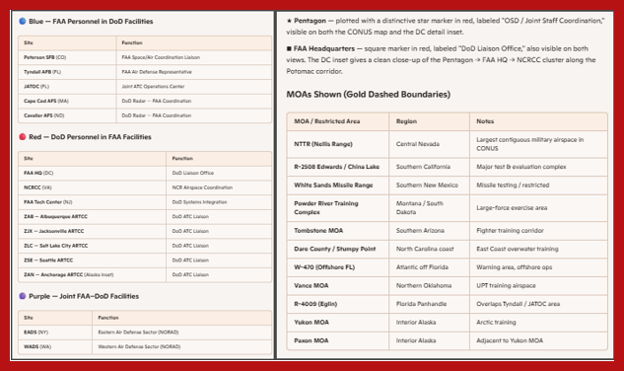
the two organizations are entwined. Many times, the military personnel are seconded in the civil aviation facilities. They are almost part of the home team. Additionally, from the Administrator on down the organization charts there have been and are service veterans.
Equally important to note is what Congress decided what the balance should be between FAA and the military use of airspace. The statute says the FAA has EXCLUSIVE civilian airspace authority; the power to assign, regulate, and control all navigable airspace; and the RESPONSIBILITY FOR SAFETY, EFFICIENCY, AND COLLISION AVOIDANCE. The same legislation recognizes that the DoD has STATUTORY INFLUENCE over airspace needed for national defense; the authority to require FAA to establish restricted/prohibited areas; AND CONSULTATION RIGHTS on any airspace action affecting national security. The relationship is not “FAA above DoD” or “DoD above FAA.”
Most telling is the battle over the ADS-B in/out equipage which the NTSB holds to be a critical element to aviation safety. Whereas DOW dismisses the safety views of FAA and NTSB (the second article below links to a full exposition of the Board’s rationale) and asserts that expanded ADS‑B requirements will create pressure to reduce exemptions, increasing the risk that military aircraft—especially training, special operations, or test aircraft—could be trackable by the public.
The world inside the Beltway has historically been built on trust; however, today’s partisanship places doubt on much that is said by anyone whose opinion varies from the listeners’ predisposition. Having instructed AI to sort out the credibility of the independent federal agencies before Congress based on based on litigation performance, statutory reputation, public trust, and congressional behavior. This table shows the results—
Based on litigation performance, statutory reputation, public trust, and congressional behavior
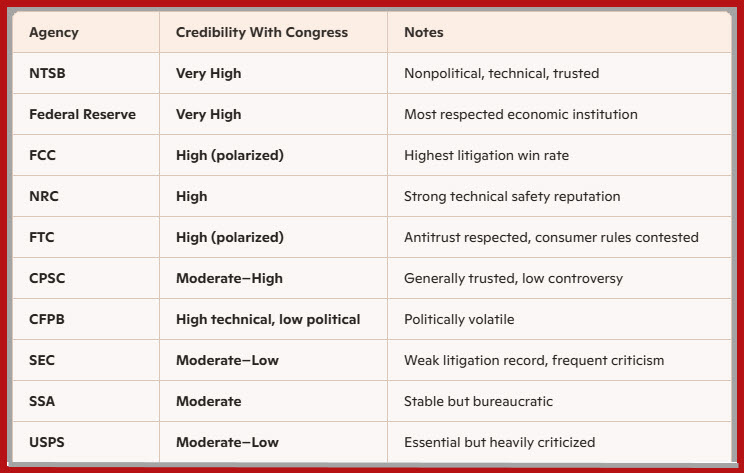
The DOW, obviously. so guards its historical trend of defense (including morale) over CIVILIAN SAFETY that it opposes the added safety that ADS-B in/out, as strongly urged by the independent agency held in the highest stead by Congress.
How the Pentagon continues to outmaneuver the FAA
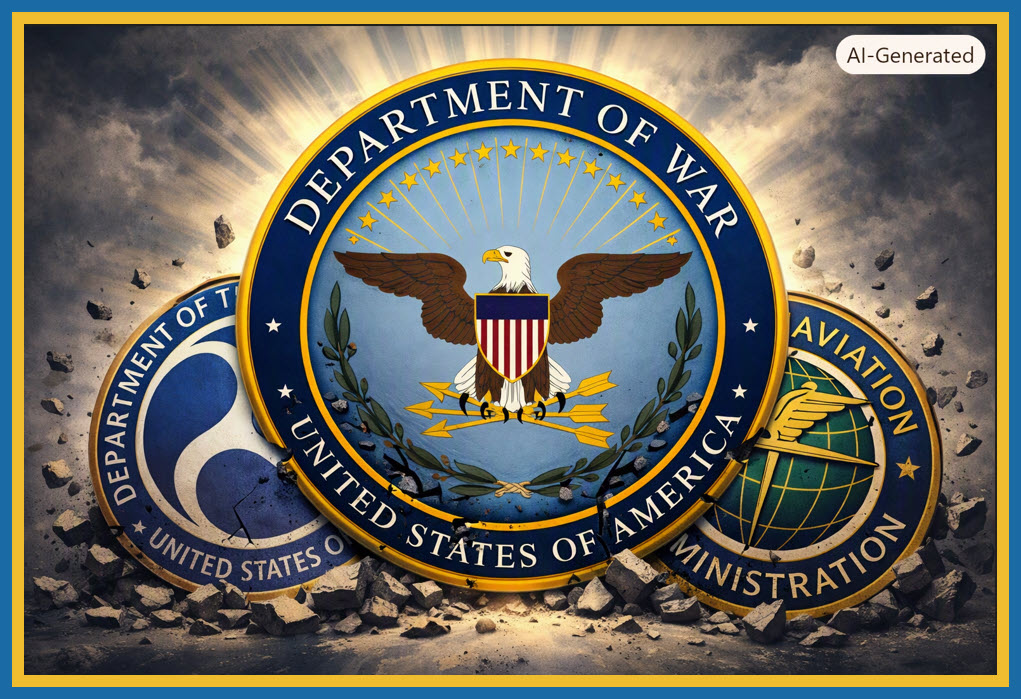
Recent flyovers are the latest in an ongoing clash between the agencies.
By Oriana Pawlyk and Audrey Decker

A recent string of low-altitude military flyovers is the latest flare-up in a yearslong battle that often ends with federal air safety officials getting steamrolled by the Pentagon[2].
The flyovers, including one in which the Blue Angels kicked up tents and chairs on a beach in Florida earlier this month, have stirred angst inside the Federal Aviation Administration and raised alarm among some lawmakers.
“Unfortunately, the PENTAGON HAS BEEN EXTREMELY RESISTANT to following the same rules everybody else does when flying in commercial airspace,” Senate Commerce Chair Ted Cruz (R-Texas) said of the flyovers. While the FAA doesn’t have jurisdiction over military operations, military aircraft are still required to comply with FAA rules while flying over U.S. civilian airspace.
Defense {WAR} Secretary PETE HEGSETH brushed off the furor over the flyovers, saying on social media they “will continue until morale improves.”
The bravado came just a few months after the aviation agency temporarily shut down airspace over El Paso, Texas, in response to DOD laser equipment used in an exercise by Customs and Border Protection designed to shoot down drones. And the two agencies have also sparred over everything from military helicopter operations near busy airports and flight restrictions to aviation safety following last year’s fatal midair collision near Washington.
Cruz has repeatedly jousted with Pentagon officials over military aviation safety and transparency. His aviation safety bill, the ROTOR Act, failed on the House floor earlier this year after the Pentagon made an about-face and opposed the legislation. The bill would narrow the circumstances in which military aircraft can disable an advanced location detection technology aimed at avoiding collisions like the one near Ronald Reagan Washington National Airport last year, which killed 67 people.
The collection of high-profile clashes are part of a long history in which the Pentagon has won broad deference in Washington even when FAA officials have raised safety concerns or sought greater coordination. The biggest difference now, according to some who spoke with POLITICO, is that officials who publicly defend or dismiss individual episodes do little to resolve underlying questions about oversight and accountability in shared airspace.
“The military plays its cards that are generally stronger” despite the FAA governing the U.S. airspace, said one former FAA official granted anonymity to discuss the tensions between the agencies.
Some top lawmakers have downplayed the controversy.
Sen. Roger Wicker (R-Miss.), chair of the Senate Armed Services Committee, dismissed concern over the flyovers, saying it’s not “worth wasting much time over.”
Catastrophe and leverage
Those with insight into the FAA, however, said they know how the agency is perceived.
“It’s more or less known that FAA GETS ROLLED on things like this all the time,” said a second former FAA official, granted anonymity to discuss the politics between the two agencies in recent years.
This second former official said that the Pentagon just carries more weight.
The person argued that the FAA can almost always identify a safety rationale for restricting operations, whether that involves commercial space launches or drone deliveries over populated areas. But it often takes something catastrophic — like the Washington crash — to get the two agencies working together.
“Unfortunately … that’s the only way FAA is ever going to get its leverage,” they said.
For their part, both the FAA and the Pentagon defended their longstanding “collaborative relationship” and open lines of communication to coordinate on military and civil operations in shared airspace.
“This ongoing partnership includes established protocols for deconfliction, real-time information sharing, and joint planning that have proven effective in managing complex operations,” added acting Pentagon press secretary Joel Valdez. “We firmly reject any characterization that current coordination is insufficient.”
In May, FAA Administrator Bryan Bedford suggested that the RELATIONSHIP HAD BEEN STRAINED. He told reporters following a Senate hearing that “the relationship with the [Defense Department] is actually much better since El Paso.”
But to pile on, FAA also started getting grief from NASA.
Ahead of July’s 250th anniversary celebrations, the FAA rejected NASA Administrator Jared Isaacman’s request to fly privately owned F-5 jets over Washington, warning that a “single system failure will render the aircraft uncontrollable.” To get around this, the aircraft were transferred to NASA, allowing the flyover to proceed outside the FAA’s regulatory authority — highlighting the agency’s limited ability to enforce safety decisions across the federal government.
That July Fourth flyover is an example of the “rules for thee, but not for me” culture in the current administration, said one person in industry familiar with safety regulations and procedures and granted anonymity to discuss the event. The person added that the FAA is making the right calls based on best safety practices, laws, and regulations — until they get overruled by high-ups in the administration.
Once the aircraft “was transferred to NASA, it became a ‘public use’ (or government) aircraft,” the FAA said in a statement. “The responsibility for the operation falls to that specific government agency, not the FAA.”
Liz Huston, a White House spokesperson, said in a statement: “The successful air show, record-breaking fireworks display, and President Trump’s incredible speech combined to make our Nation’s 250th birthday celebration one for the ages.”
NASA did not respond to a request for comment.
‘The Army dumped on the FAA’
The NASA flyover echoes a familiar dynamic in the FAA’s dealings with the military.
Bad blood between the Pentagon and FAA has been a recurring issue spanning across Republican and Democratic administrations. Communication breakdowns have strained collaboration and deepened tensions between the two agencies. According to the former FAA official who said the Pentagon has stronger cards to play, coordination has often broken down at critical moments, complicating efforts to manage shared airspace and align on priorities.
For example, while the FAA ultimately took the blame for a U.S. Army demonstration team flyover for a baseball game in 2022 that set off a wave of panic at the U.S. Capitol, this former FAA official said the episode reflected the often-complicated relationship between the agency and the military particularly when it comes to coordination. The Army at the time stressed that the demonstration team received FAA approval and stayed in contact with the agency throughout the flight — signaling that responsibility for authorizing the operation rested with the FAA.
“The Army dumped on the FAA,” the person said.
In a previously unreported incident, the same official said that during the 2023 holiday travel rush, the FAA attempted to work with the military to temporarily release airspace normally reserved for training over the Atlantic SO ADDITIONAL COMMERCIAL FLIGHTS COULD BE ROUTED THROUGH THE AREA IN THE EVENT OF BAD WEATHER.
“It never went anywhere. [The talks] just died” when the military “stopped engaging,” the former official said, underscoring the limits of the FAA’s influence when the Pentagon decides not to participate.
The Defense Department did not address questions about the former official’s characterization of the stalled efforts.
FAA officials realized that a direct hotline between Pentagon air traffic control and controllers in the tower at Reagan National has not been operational since March 2022, and that the FAA hadn’t been informed that it had been inoperable. The hotline issue came to light in May 2025 after a Black Hawk helicopter in the area forced controllers at the airport to divert two passenger jets to avoid it. (Following the incident, the FAA at one point even considered banning the Army from flying within the airspace.)
Then, earlier this year, the counter-drone exercise over El Paso prompted the FAA to temporarily halt civilian flights after concerns over the system’s effects on aircraft — though the original order would have halted flights for 10 days to and from El Paso International Airport, an extraordinary restriction for one of the region’s primary commercial airports.
Since the Washington crash, lawmakers and regulators have also pressed the Pentagon over its use of tracking technology — Automatic Dependent Surveillance-Broadcast — as well as military helicopter operations near commercial airports and broader efforts to tighten coordination between military and civilian aviation.
The FAA too has privately warned lawmakers that a key military provision in the ALERT Act — a rival House bill to Cruz’s ROTOR Act — would create a separate safety framework for the Pentagon. The FAA said the bill, which passed the House in April, would give the Defense Department broad discretion in deciding when military aircraft can disable ADS-B location-broadcasting technology and what collision-prevention equipment to install — which runs counter to recommendations issued after the deadly crash and could further compromise safety.
‘He started it’
Following last year’s crash over Washington, Transportation Secretary Sean Duffy berated the Pentagon for being closed-mouthed about its helicopter operations in the months after the midair disaster.
The Pentagon did not appreciate that broadside.
“Not to sound like a little kid, but he started it,” said a former senior Army official at the Pentagon, granted anonymity to discuss the service’s relationship with the FAA at the time of the crash fallout.
“The Army, the FAA, nobody wanted this crash to be their fault, right? So, it’s sort of human nature, everyone’s sort of pointing the finger at the other guy,” the former Army official said. The official noted the episode may have been as much a product of clashing personalities as the crisis itself.
The former FAA official who said the agency consistently gets “rolled,” said Duffy nonetheless is regarded as a “big team player” when it comes to keeping relationships with other agencies on track. And, this official said, the FAA “stood its ground” when the Pentagon “came knocking” to get some helicopter flights reinstated following the Washington crash. “We were able to more or less win that argument,” the former official said.
MORE RECENTLY and….
Safety Officials Probe Army GPS Jamming in Fatal Air Crash
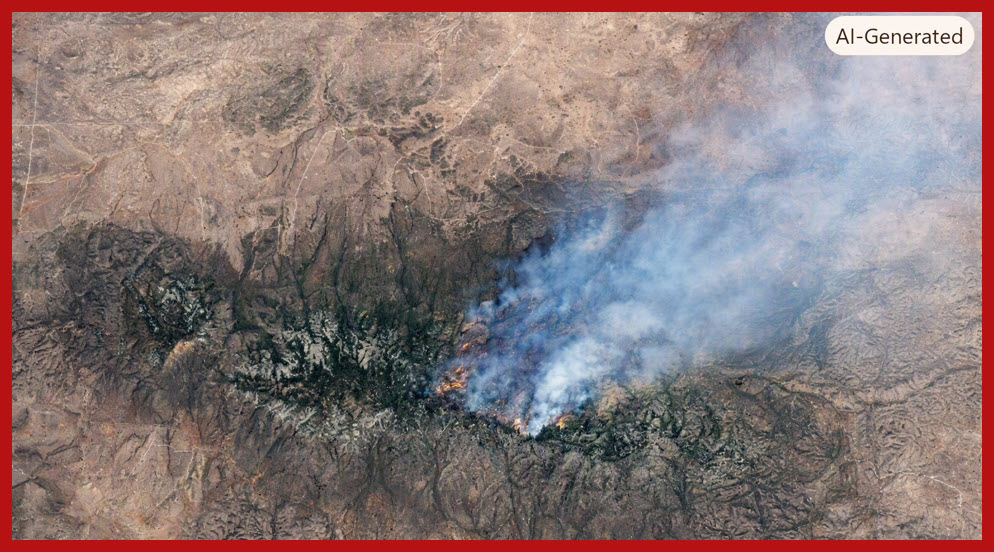
Two pilots and two nurses died in a medevac crash during electronic warfare tests
“…Shortly after takeoff from Roswell airport, one of the pilots reported to an air traffic controller that they had lost their GPS capability. Three other aircraft crews also reported problems. This prompted an air traffic controller to ask the military at nearby White Sands Missile Range to halt its GPS interference testing. The military paused jamming for a few minutes but resumed it after the flight controller reported that the plane had a visual fix on its destination. The aircraft crashed 5 minutes later….”
NTSB Chair urges Congress to pass aviation legislation
The head of the National Transportation Safety Board urged Congress on Monday to end a long-running standoff over competing safety measures in aviation and approve major reforms.
Jennifer Homendy, the NTSB’s Chairperson, said that “the board” had “provided a roadmap for improving aviation safety and reducing the risk of another mid-air collision.” It’s now time to take the action promised months ago.”
…
The NTSB stated that ADS-B could have prevented the collision of 2025 in the crowded airspace near the nation’s capital…
[1] The story notes that the FAA controller told the military that the medevac had the runway in sight.
[2] Not just DOW– The FAA rejected a request on behalf of NASA Administrator Jared Isaacman to fly his personal, Cold War-era F-5 Tiger II fighter jets over the National Mall in Washington, D.C., as part of celebrations for America’s 250th anniversary. The regulator cited safety concerns. But the space agency found a workaround to the FAA’s objections. In an interview with The Wall Street Journal, Isaacman said he transferred control of the F-5s—which since January have been used to reward NASA personnel with “employee incentive flights”—from his company JDI Hol