LGA Lesson—FAA to fund transponder installations, WHY NOT MANDATE IT?
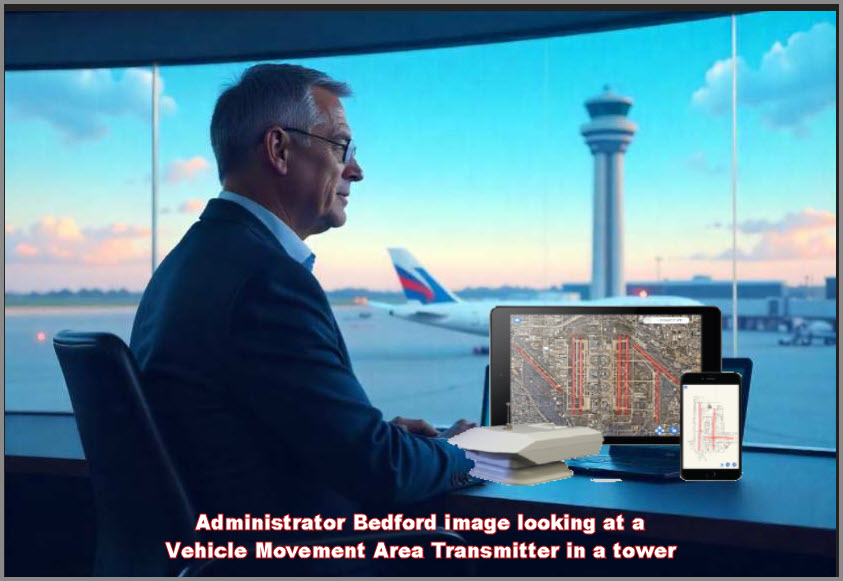
The FAA just issued a press release, not a Notice of Proposed Rule Making, RECOMMENDING, not mandating, that airports follow the federal agency’s example by installing Vehicle Movement Area Transmitters on all of its airport vehicles at the 2 FAA airports. Though the statement sounds like this is its first such announcement, actually this RECOMMENDATION came one year and one day after the agency recommended airports with ASDE-X systems voluntarily outfit their emergency vehicles with transponders to improve airfield safety.
The FAA, almost one year after making a VMAT guidance pronouncement is now indicating that it will be installing these safety devices on
“…its approximately 1,900 vehicles [1]at the 44 airports that have ASDE-X and ASSC and the 220 airports that have or will be getting Surface Awareness Initiative (SAI) surveillance systems.”
Even the safety agency took more than a year to act on its own advice!!!
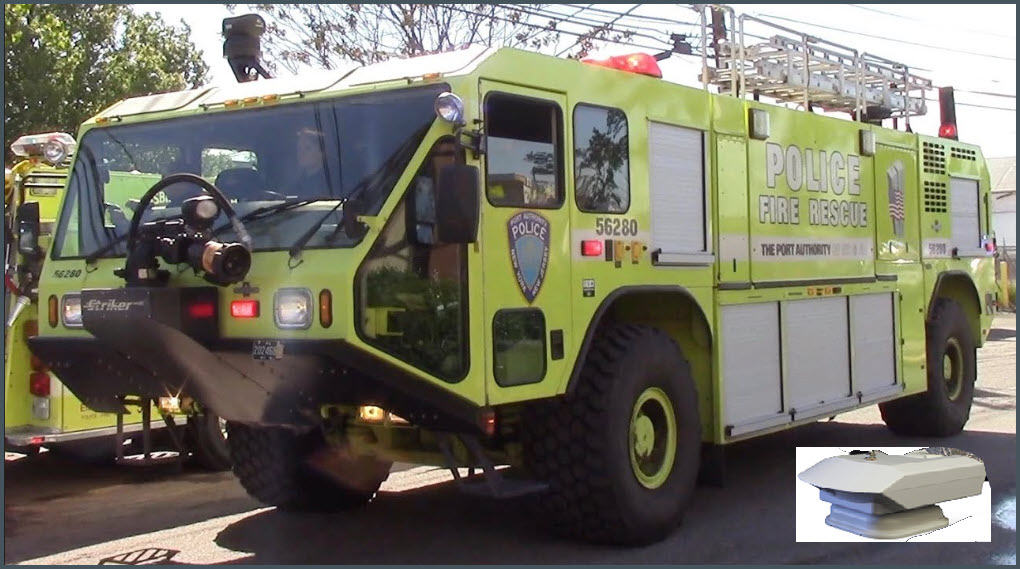 On April 29, the Port Authority of New York and New Jersey revealed plans to equip all airfield vehicles with this technology. The press release reiterated that “The Port Authority’s investment aligns with broader FAA safety guidance issued in May 2025 encouraging transponder use. This initiative complements existing surface-surveillance systems and reflects a push for layered safety measures in busy airport environments.”
All that is extremely welcome news. However, as with the May 2025 FAA announcement, the current RECOMMENDATION is only that- airports may or may not comply. As of today, no other airport has installed the VMAT and per the FAA only 50 have indicated that they are likely to request OBBB $$$.
In order to do that, the FAA would have to subject a mandate for installation to an APA dictated procedure and that takes time. This blue print shows the basic steps, but does not include[2] the back-and-forth that occur with the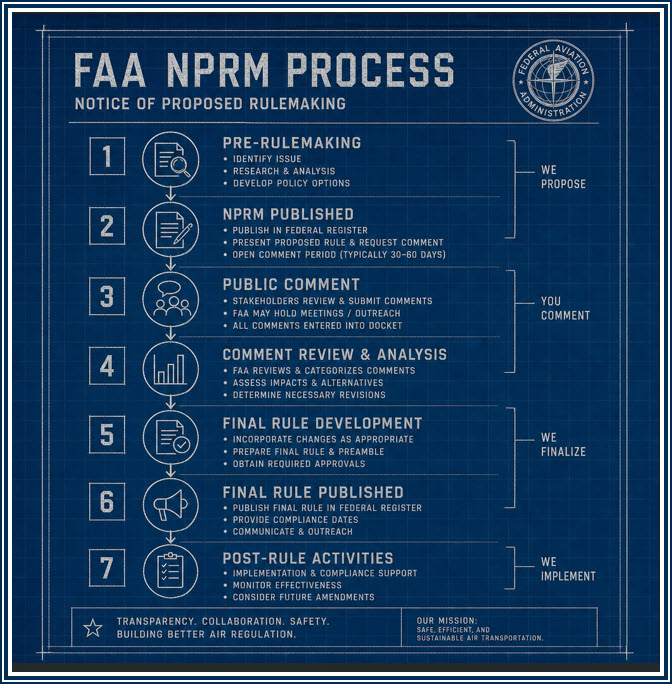 Secretary’s office and OMB/OIRA as well as the efforts by the Hill and Industry to include language which they believe is meritorious.
Aside from those process impediments, the substance of a Part 139 amendment for a prescriptive technology mandate– imposing large capital costs on hundreds of airports—the FAA has historically been cautious about. The costs would involve:
- ARFF, ops, maintenance, snow, construction, tenant vehicles
- Installation, maintenance, training, integration with local systems
To justify a rule, FAA needs a formal cost–benefit case under the Administrative Procedure Act and OMB guidance. For many small and medium Part 139 airports, the runway‑incursion risk profile may not clear that bar compared to cheaper mitigations (markings, signage, training, low‑cost surveillance). That said, nothing so alters the eye pf strict economic policy maker, as a very public tragedy. More subjective weight might impact the C/B analytics and the LGA crash would have the weight to tip the scales.
Issuing a voluntary recommendation, instead of taking the time to issue a compulsory rule is a track that President Trump’s Secretary of Transportation has used repeatedly. Speeding up safety options may be a better policy process, if the airports that ignored last year’s press release continue to delay???
FAA Takes Action to Improve Airport Safety
Wednesday, May 13, 2026
Thanks to funding from the One Big Beautiful Bill, the FAA is equipping its airport vehicles with transponders, encourages airports and airlines to follow suit.
WASHINGTON – The Federal Aviation Administration (FAA) is improving airport safety by investing $16.5 million from President Donald J. Trump’s One Big Beautiful Bill to EQUIP ALL ITS AIRPORT VEHICLES WITH TRANSPONDERS that help air traffic controllers identify and track them on runways and taxiways.
The FAA also REMINDED airports this week that they can use federal grant money to install transponders on their vehicles, and RECOMMENDS they encourage airlines and others that operate on the airfield to follow suit. More than 50 airports have already expressed interest in this, and the FAA is exploring additional ways to get this equipment into more vehicles.
“Vehicle Movement Area Transmitters (VMATs) help prevent dangerous runway incidents and by accelerating the deployment of this technology, we’re closing critical visibility gaps on our nation’s runways and taxiways,” said FAA Administrator Bryan Bedford. “This initiative is yet another example of our commitment to proactive safety improvements and strong collaboration across the aviation community.”
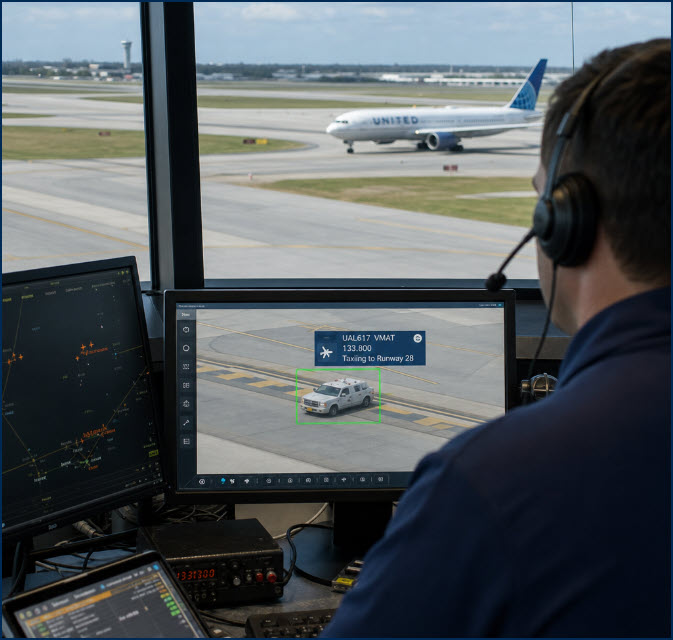
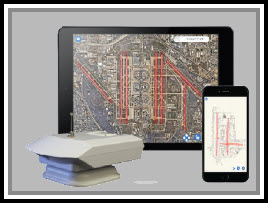
VMATs track vehicles at airports that have surface surveillance systems. They appear on controllers’ screens with their identities and call signs. Vehicles without VMATs appear only as blue diamonds on controllers’ screens with no identifying information.
The One Big Beautiful Bill money enables the FAA to immediately begin equipping its approximately 1,900 vehicles [3]at the 44 airports that have ASDE-X and ASSC and the 220 airports that have or will be getting Surface Awareness Initiative (SAI) surveillance systems. The FAA will complete the work as soon as possible based on the availability of transponder units.
The FAA had been planning this project for several months and accelerated it after the March 22, 2026, accident at New York’s LaGuardia Airport in which an Air Canada jet struck an unequipped Aircraft Rescue and Firefighting vehicle after landing.
[1] This number does not make sense. Did the FAA really mean that it has an average of ~43 on airport vehicles at 44 airports with the prerequisite systems installed?
[2] Pre‑Rulemaking — Issue identification, data gathering, ARCs/working groups, internal FAA drafting; DOT Regulatory Review — OST policy review, economic significance determination.; OIRA Coordination — Executive Order 12866 review for significant rules.; NPRM Drafting — Legal sufficiency, economic analysis, regulatory text.; Federal Register Publication — NPRM officially published for public comment.; Public Comment Period — 30–90 days; docketing, hearings if required.; Comment Analysis — FAA adjudicates comments, revises rule text.;; Final Rule Drafting — Legal review, economic updates, coordination.; IRA Final Review — Final clearance for significant rules.; Final Rule Publication — Effective date set; compliance timelines.; Post‑Rule Activities —
[3] This number does not make sense. Did the FAA really mean that it has an average of ~43 on airport vehicles at 44 airports with the prerequisite systems installed?
