What LESSON from the JAZZ crash at LGA AIRPORTs should implement SOON???
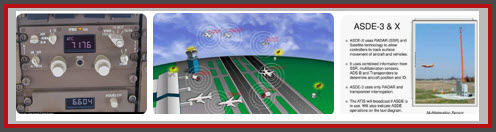
The horrible crash at LGA suggests that SAFETY must be paramount in aviation. COST v. RISK is a difficult equation to solve.
Aviation Safety, much to its credit, has moved from retroactive to a proactive mode. SMS and multiple collateral resources are designed to identify risks, analyze options and create solutions before the issue rears its head. The FAA has established a more discrete tool Safety Risk Assessment (SRA) in FAA Order 8040.4C — Safety Risk Management Policy. That policy provides a methodology[1] for deciding what may be an appropriate response to a specific issue; here are its primary steps in this process–
-
-
- Hazard identification — define credible hazards.
- Risk analysis — assess severity and likelihood
- Risk evaluation — determine risk level (High, Medium, Low).
- Mitigation and tracking — document controls and residual risk.
- Safety documentation — record findings in the Safety Risk Management Document (SRMD).
-
The data leads to charts like these-
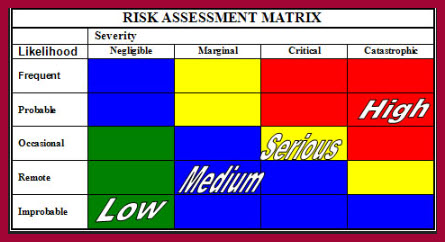
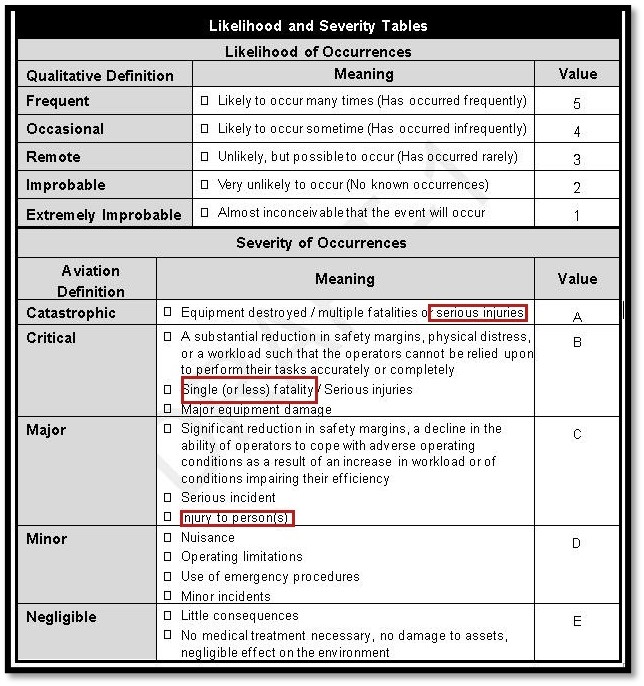
And a hypothetical risk might look like this–
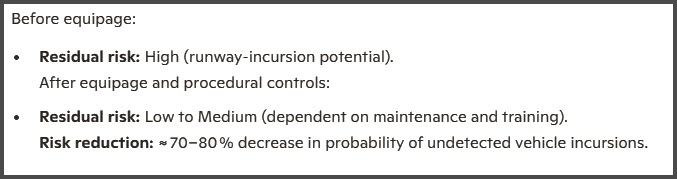
Unfortunately, such an analytical technique can only be applied to something that has been identified and—
-
- There is no evidence that any FAA airport certification inspection (Part 139) or FAA safety audit had previously cited LGA for lacking transponders on ARFF vehicles.
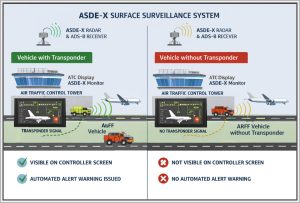
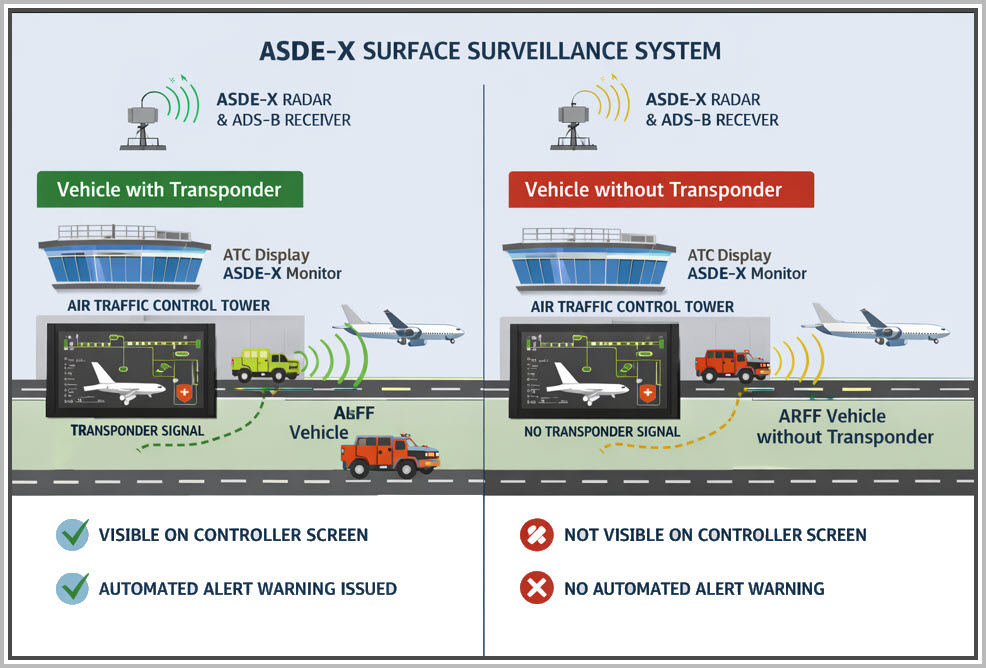
- FAA guidance ENCOURAGES ADS‑B/vehicle transponders, but airports—not the FAA—are responsible for equipping ground vehicles.
- There is no evidence that any FAA airport certification inspection (Part 139) or FAA safety audit had previously cited LGA for lacking transponders on ARFF vehicles.
The reporting also did not show that
-
- A PANYNJ internal safety audit
- A third‑party audit commissioned by PANYNJ
- Or a prior corrective‑action plan that identified the lack of transponders as a hazard before the crash.
It is not only advisable, but also considered best practice in modern aviation safety management for an airport to bring in an outside expert when conducting an SRA on its own operations. The FAA advice notes—
An external expert helps counter:
-
-
- Normalization of deviance
- Institutional blind spots
- Cultural bias toward existing procedures
- Over‑familiarity with local risks
-
==>This is especially relevant for airfield vehicle surveillance, where airports may assume their procedures are adequate until an incident exposes gaps.
An outsider can provide–
-
-
- Objectivity
- Technical independence
- Defensibility to regulators, insurers, and NTSB
- Freedom from internal political pressure
-
==> This is why airlines routinely use external specialists for high‑stakes SRAs (e.g., ETOPS, MEL changes, new procedures).
It is wise to involve a person with a strong record in such exercises to assist in formulating these elements of SRA. Such experience tends to focus the safety team on surveying all obvious and potential risks- that the above normal human biases tend to obfuscate.
Port Authority to install new tracking devices on fire trucks after deadly LaGuardia Airport crash
Caitlin McCormack Published April 28, 2026
Emergency vehicles at the New York City area’s three major airports will be outfitted with new tracking devices after the NTSB highlighted a missing transponder aboard a fire truck as a contributor to last month’s deadly LaGuardia Airport plane crash.
James Allen, a spokesman for Port Authority, announced Tuesday that the agency will be “expanding” the use of transponder technology across LaGuardia, JFK and Newark airports in line with the Federal Aviation Administration’s recommendation.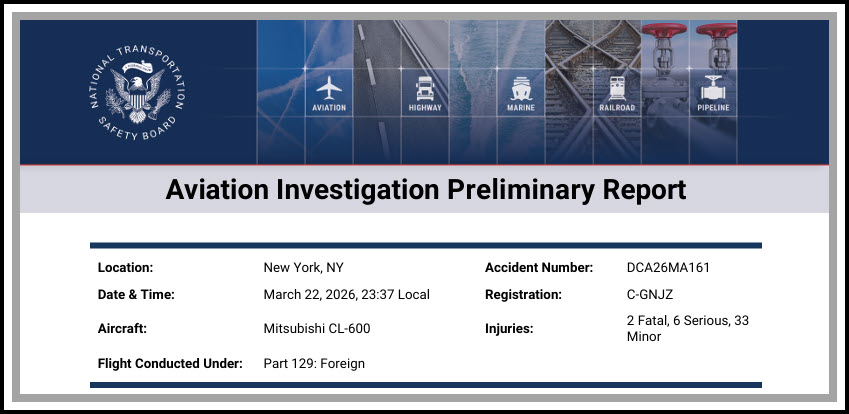
The National Transportation Safety Board’s preliminary report released last week on the harrowing March 22 crash singled out the fire truck’s lack of a transponder but did not say if including the device could’ve prevented the collision.
Without the device, LaGuardia’s automatic warning system COULD NOT “CORRELATE THE TRACK” of the DESCENDING AIR CANADA EXPRESS with the FIRE TRUCK’S PATH, the report said.
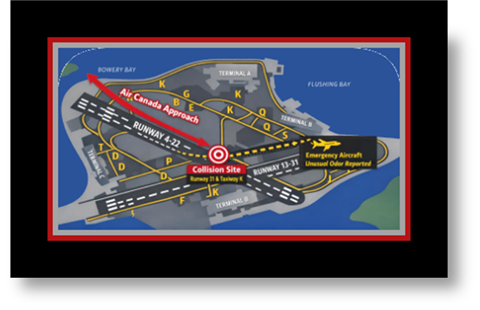
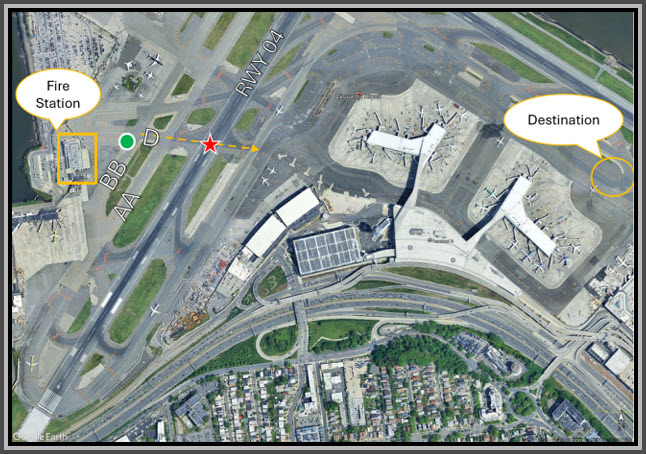 The plane wound up barreling into the fire truck while it was crossing the runway in a fiery collision that killed the two pilots in the cockpit and injured 39 others on board. The two firefighters inside the fire truck were also injured, but ultimately survived and have been placed on leave.
Allen said that Port Authority is making “targeted investments in safety technology,” including installing the transponders that COST $10,000 EACH.
“We will continue to work closely with the NTSB as its investigation proceeds and remain focused on working with the FAA to strengthen safety across our airfield operations,” he said.
The FAA has encouraged airports to install transponders in their emergency and rescue vehicles without setting a firm requirement for the last 15 years.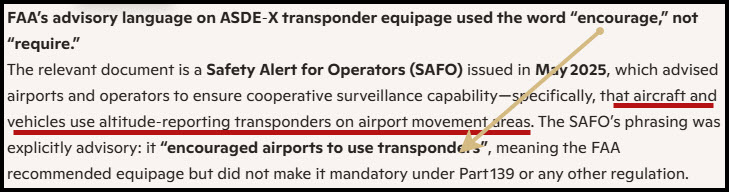
It upped the ante by including the recommendation in its May 2025 guidelines, then rolled out a pilot program at Newark Liberty Airport in December 2025.
The Port Authority fire truck was responding to a separate emergency at LaGuardia around midnight when it was given the go-ahead to cross Runway 4 — right as the Air Canada Express flight was cleared for landing.
One of the two air-traffic controllers manning the tower frantically ordered the truck to “stop” in the seconds leading up to the collision, according to audio released after the crash.
At a press conference two days after the crash, NTSB Chairwoman Jennifer Homendy told reporters that the fire truck and any other rescue vehicle should have transponders.
“Air-traffic controllers should know what’s in, you know before them. Whether it’s on airport surface or in the airspace. They should have that information to ensure safety,” she said.
The crash is still under investigation.
[1] FAA Order 1100.161 — Safety Management Roles and Responsibilities (2024) — assigns accountability for conducting SRAs ;FAA Order 8040.6 — Hazard Identification and Tracking (2022) — procedural companion for documenting hazards and mitigations.; Advisory Circular 150/5200‑37A — Introduction to Safety Management Systems for Airports (2024) — applies SRA methodology to airport projects.

