Freighter Conversions history may make FAA extremely cautious
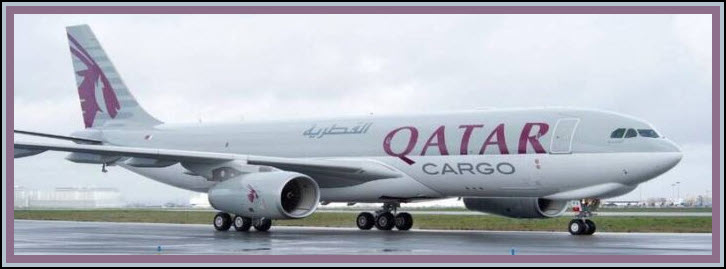
Aviation professionals of a certain age will not be surprised by the applicant for a 777-200LRMF’s freighter conversions comments that it involved a “long wait”, “disappointment in the time from the test flight and TIA to the STC issuance. The press release notes that the Monmouth team’s close collaboration with the FAA, but perhaps the airworthiness staff did not mention history, though not recent, that must have been the basis for their caution.
The events that may have influenced the FAA are chronicled below–
FAA Airworthiness Concerns About Older B‑727 Freighter Conversions (STCs from ~1990s–2010s)
- Main Deck Floor Strength & Payload Limits
The FAA determined that many early 727 freighter STCs overestimated floor structural capability.
Key issues included:
-
-
-
- Floor beams and cross‑members not meeting required 9g forward loadcriteria for cargo.
- STC engineering assumptions that did not match actual in‑service loading patterns.
- Operators loading pallets beyond what the STC‑modified floor could safely support.
-
-
FAA action:
A major 1999 rule imposed severe payload limits on converted 727s until operators reinforced or requalified the floor structure. This affected ~270 U.S. aircraft and required costly structural upgrades.
-
-
-
- Cargo Door Structural & System Safety Deficiencies
-
-
Several STCs for 727 freighter conversions were found to have:
-
-
-
- Non‑fail‑safe cargo door hinges
- Inadequate warning and power‑control systems
- Insufficient protection against inadvertent door opening
- Lack of redundancy in door‑locking indication
-
-
FAA action:
A dedicated AD required:
-
-
-
- Installation of a fail‑safe hinge
- Redesign of the cargo door warning and power control systems
- Upgrades to prevent in‑flight opening and rapid decompression
- Main Deck 9g Crash Barrier Deficiencies
-
-
Many older STCs used barriers that:
-
-
-
- Did not meet 9g forward‑load requirements
- Could fail during an emergency landing
- Risked cargo penetrating the flight deck or injuring crew
-
-
FAA action:
Mandatory installation of a compliant 9g crash barrier on affected 727 freighters.
-
-
-
- Aging STC Engineering Data & Documentation Gaps
-
-
As STCs aged (10–30 years), the FAA increasingly found:
-
-
-
- Missing or incomplete stress reports
- Outdated load assumptions
- Poor traceability of design changes
- STC holders that no longer existed or lacked engineering support
-
-
This created challenges for continued airworthiness, especially when operators sought:
-
-
-
- Higher payload approvals
- New cargo configurations
- Life‑extension programs
- Operator‑Induced Risks
-
-
Older STCs often assumed:
-
-
-
- Uniform pallet loading
- Limited cargo density
- Specific cargo restraint patterns
-
-
In practice, operators frequently:
-
-
-
- Loaded denser cargothan originally modeled
- Used non‑standard pallets
- Modified cargo interiors without STC‑holder engineering support
-
-
The residue of all of these FAA individual actions is scattered among a wide variety of FAA guidance:
-
-
-
- Advisory Circulars (ACs) that encode the general lessons
-
-
AC 25.561 / 25.562 / 25.785 series
Crashworthiness, occupant protection, and 9g forward‑load requirements.
These ACs were tightened in part because older freighter conversions (including 727s) failed to meet real‑world load cases.
AC 25.783
Cargo door design, fail‑safe hinges, lock indication, and inadvertent opening prevention.
This AC reflects decades of cargo‑door failures and STC deficiencies.
AC 25.1309
System safety analysis.
Cargo‑door control systems and lock‑indication logic problems in older STCs fed directly into later revisions.
AC 120‑85 / 120‑80B
Fire protection, cargo‑compartment safety, and in‑flight fire response.
Not 727‑specific, but many 727 conversions had gaps in smoke detection coverage and liner integrity.
AC 120‑93
Damage‑tolerance and fatigue evaluation of repairs and alterations.
This AC is a direct response to aging STC structures (including 727 door cutouts and floor reinforcements).
It is certain that the Mammoth engineers knew this history and included the lessons in their applications. It is probable that the aircraft certification knew about or even attended a high level meeting with cargo operators, the aircraft manufacturers and the STC holders whose modifications were being questioned[1].The agency’s position, allegedly based on a former OEM employee, was that the fleet would soon be grounded. The response from the private sector was in strong disagreement on a technical basis.
A few of the private sector then met with the Administrator, who early in the job on the 10th floor made clear that she was not a fan of industry. After presentations by both sides, the head aviation safety officer decided that the EXPRESS CARGO fleet would not be grounded JUST BEFORE CHRISTMAS.
Instead, the FAA staff and the lead engineers met and confirmed that the identified risks did not merit immediate grounding and that the same group would devote substantial time to make a deeper dive into the risks. Eventually, actions were taken to address the problems. The FAA staffers, senior on down, were not happy.
People who have history can be of value.

Mammoth receives FAA STC certification for 777-200 freighter conversion
By Rebecca Jeffrey | 8 April 2026
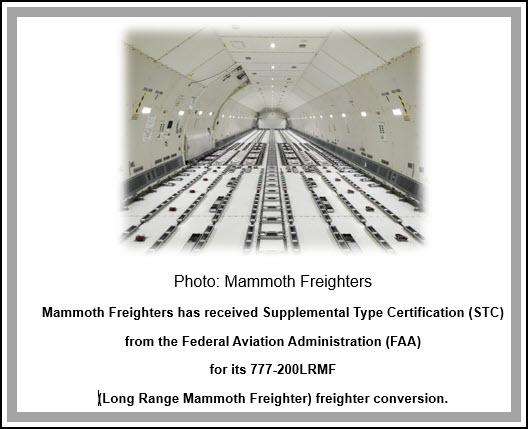
With certification complete, MAMMOTH is positioned to begin aircraft deliveries to launch customer Qatar Airways Cargo, which has an agreement for five of the aircraft with Texas-based lessor, Jetran.
FAA certification validates the aircraft’s design, engineering, and performance, clearing the 777-200LRMF for commercial service. The platform delivers a compelling combination of long-range capability, payload efficiency, and operational reliability, positioning it as a highly versatile solution for global cargo networks.
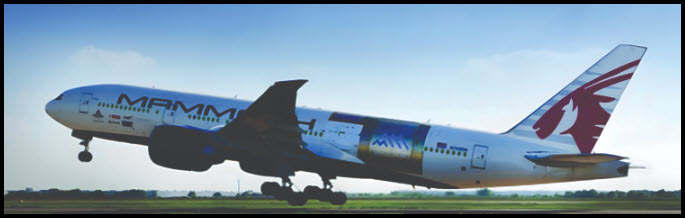
“This certification reflects years of disciplined engineering, close collaboration with the FAA, and the dedication of our entire team and partners,” said Bill Tarpley[2], chief executive of Mammoth Freighters.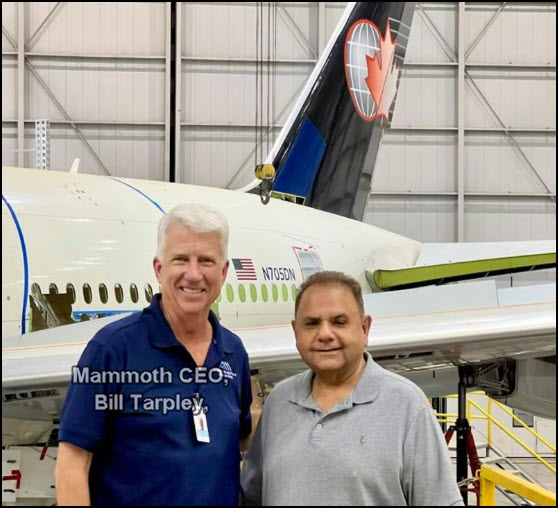
“Approval of the 777-200LRMF underscores the strength of our technical approach and our ability to deliver a high-performance freighter that meets the evolving demands of cargo operators worldwide.”
“As the launch customer for the 777-200LRMF, this milestone marks an important moment for both Mammoth Freighters and Jetran,” said Jordan Jaffe, chief executive, Jetran.
“From the outset, we have had strong confidence in the Mammoth engineering team and their vision for the program. The aircraft’s quality and technical execution have met our high expectations and reflect the strength of the underlying design.
“We believe the Mammoth conversion will be a competitive and compelling option in the long-haul freighter market and will deliver solid value for Jetran’s customers including DHL, Qatar Airways and Ethiopian Airlines.”
SECURING THE STC CERTIFICATION IS A MAJOR MILESTONE FOR MAMMOTH, WHICH HAS FACED A LONG WAIT FOR CONFIRMATION FROM THE FAA.
The Fort Worth, Texas-based company initially anticipated a faster STC process after completing a test flight of the 777-200LRMF prototype in May 2025.
Qatar Airways Cargo had expected to receive the first and second aircraft during the fourth quarter, but the 43-day US government shutdown in October-November last year delayed matters.
Mammoth said in December that FAA-witnessed final test flights would be carried out in early January
The company then told Air Cargo News in early February that it had secured Type Inspection Authorization (TIA) and expected the STC in the same month.
Key features of the 777-200LRMF include the largest main-deck cargo door in its class, a REINFORCED FLOOR STRUCTURE, and an advanced, flexible cargo handling system. Combined with its long-range performance and fuel efficiency, the aircraft is optimized for both long-haul and regional freight operations.
The company continues to make progress on its 777-300ERMF program and expects FAA certification of that variant later this year.
[1] NB this “account” is from memory. The absolute accuracy of this description is subject to a 79 y.o .memory and an Irish heritage that has been known to embellish the truth. The meetings did occur and the planes were permitted to fly for Christman
[2] Bill Tarpley is one of the most seasoned freighter‑conversion executives in the world. His career spans Boeing program leadership, major fleet‑conversion management at ATSG, entrepreneurial program oversight, and now the helm of Mammoth Freighters — where he is driving the next generation of 777‑based cargo aircraft into the market.

