CONTRAILS a BIG GREEN + or unjustified COST – 2026-2027 TEST???
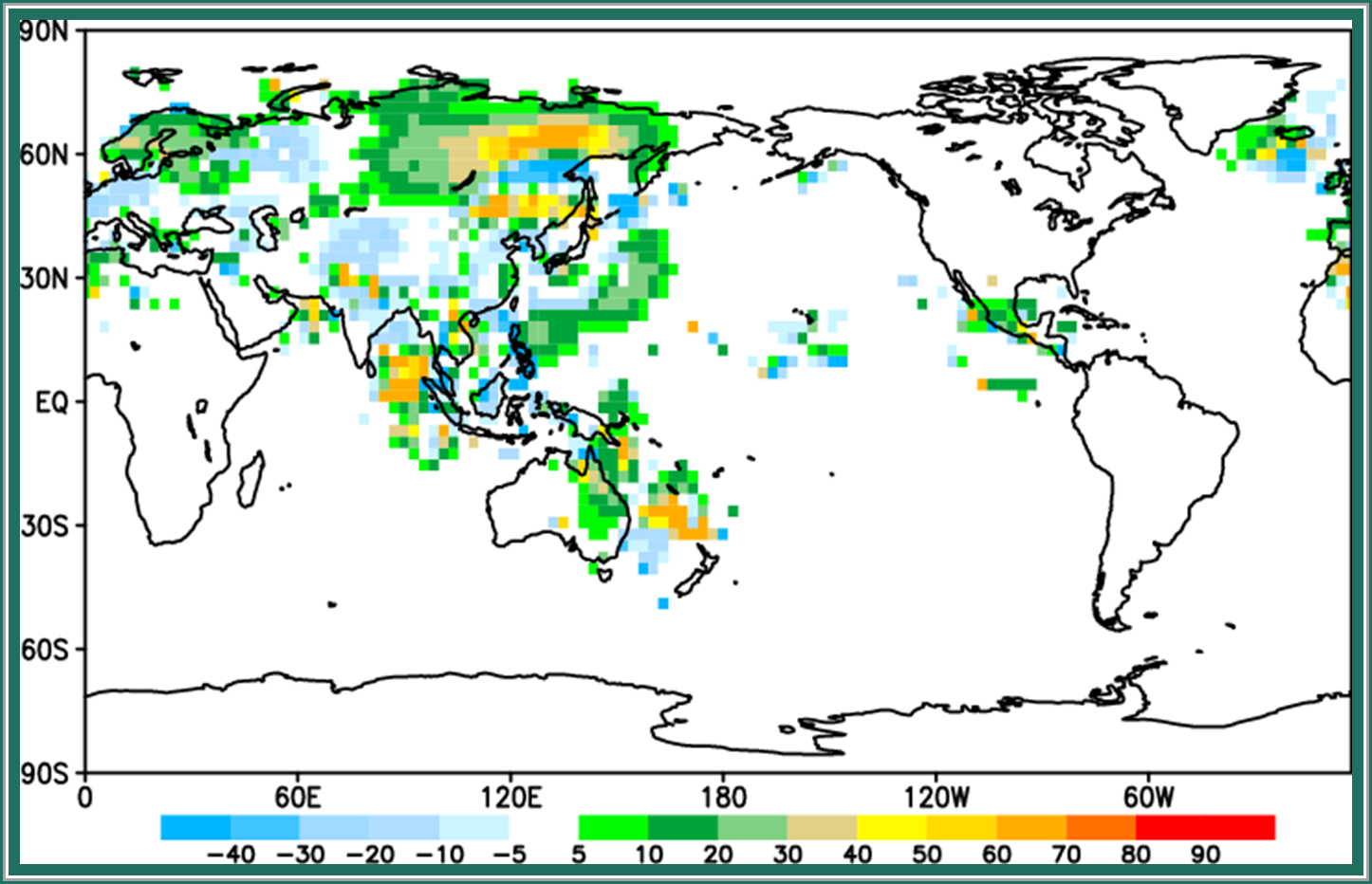
Adjusting flight patterns may be a most effective method to reduce CONTRAILS. But what exactly are they?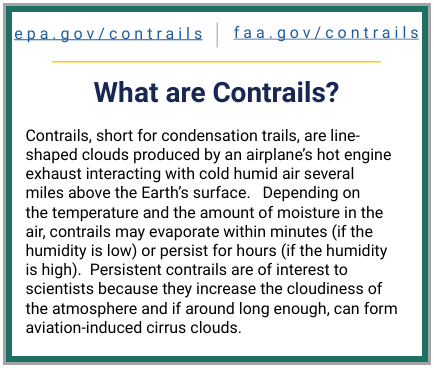
A prominent climatology organization issued a call (challenge) to aviation that by ‘“tweaking the flight plans of only a few flights’, CONTRAIL-INDUCED WARMING COULD BE HALVED BY 2040,” the Transport & Environment (T&E) group claims. This controversy has been a frequent subject of this blog-
- IATA’s STUDY of Contrails is MOST INSTRUCTIVE 6/24
- Scourge of CONTRAILs being attacked by EASA and FAA 7/24
- Can Civil Aviation decrease CONTRAILS now??? 9/24
- ICAO #42 report says CONTRAIL policies may avoid >90% of aviation-induced warming by 2050 From EPA Acid Rain lesson time to review CORSIA 9/25
- 3 major CONTRAIL CO2 reduction studies are progressing; must gather info for regulatory approvals 12/25
Summarizing the footnoted analyses, here are their findings
- Scientific understanding:
The basic physics of contrail formation—cold, humid air at cruise altitudes plus engine exhaust—is well established. But the climate impact of contrails and contrail-induced cirrus is still quantified with relatively low confidence ... Uncertainties remain in upper-air humidity fields, aerosol interactions, and how individual contrails aggregate into regional or global climate effects. - Operational mitigation maturity:
Over roughly the past decade, research has shifted from “what are contrails doing?” to “CAN WE AVOID THE WORST ONES OPERATIONALLY?” NASA’s recent technical review frames this as an emerging field of operational mitigation, not yet a routine practice, but with enough evidence to justify trials and concept-of-operations work. - Key constraint:
The biggest technical bottleneck is accurate, high-resolution prediction of relative humidity with respect to ice (RHi) [ Relative Humidity with Respect to Ice (RHi)]at cruise altitudes—without that, reliably targeting “high-impact” contrail regions is hard.
These references are cautiously looking at Trajectory adjustments, as the core operational lever. If flight planning can help reduced these lines in the skies, it will involve vertical, horizontal and temporal demarcations–
- Small altitude changes—often on the order of a few thousand feet—can move a flight out of ice-supersaturated layers where persistent contrails form. The potential is there, but the studies are not yet clear whether reduction of the effluent reduction comes at costs of fuel burn, flight time, and air traffic constraints.ii
- Horizontal rerouting—the same diminution of the condensation trails inflicts excessive expenses in
distance, fuel, and airspace complexity.
→ T&E gives a somewhat inapt comparison “fuel burnt to avoid contrails would be less than 0.5% on the whole fleet over a year.” The denominator should be the added flight expenses of the avoidance tracks.
- Temporal shifts—The forecast of value of another adjustment is not as clear – shifting departure times or cruise timing to avoid periods when contrail formation in a given region is likely to have strong radiative forcing (e.g., nighttime persistent contrails).
Prior posts (see above) address whether the use of low-aromatic sustainable aviation fuels (SAF) can contribute significantly to this environmental goal.
The state-of-the-discussion on CONTRAILS among the major aviation policy leaders (ICAO, NASA,IATA [members], FAA, EASA, IFALPA, CANSO) is that they all agree that the proposal has merit (no safety concerns have been flagged yet). There is a consensus among a smaller set of that community (ICAO, NASA,IATA, CANSO and IFALPA) that further study is should be encouraged as a research and development effort.

JAL is already testing the benefits
It is too late to establish a well-designed experiment of CONTRAILS in the Northern Hemisphere (Southern?) in 2026. Debating the issue further NOW would only involve arguments over existing models and studies (mostly the reliability of the algorithms’ weighting and data). In the interim, would it not be appropriate to gather all parties together to design a comprehensive test which may provide the level of reliability on which such a global policy decision for WINTER 2026-2027. Some have suggested that if, for example, the T&E estimates are accurate, it might be appropriate to review the overall parameters of CORSIA with the potential of lowering this potential reduction just through the CONTRAIL phenomenon.
T&E joins aviation and climate scientists in urging action to reduce warming contrails
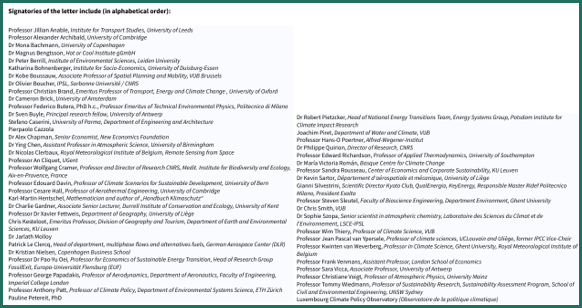
A global coalition of around 50 scientists specialising in climate and aviation-linked disciplines has signed an open letter warning of the warming impacts of aircraft contrails and calling on global decision-makers to urgently address the problem. Among the signatories is JEAN- PASCAL VAN YPERSELE, a Belgian climatologist and former vice chair of the UN’s Intergovernmental Panel on Climate Change (IPCC).
Contrails are the most significant of aviation’s non-CO2 effects, said the scientists in their letter. The communiqué was published by Brussels-based climate advocacy group Transport & Environment (T&E), which has also just released a report recommending deviating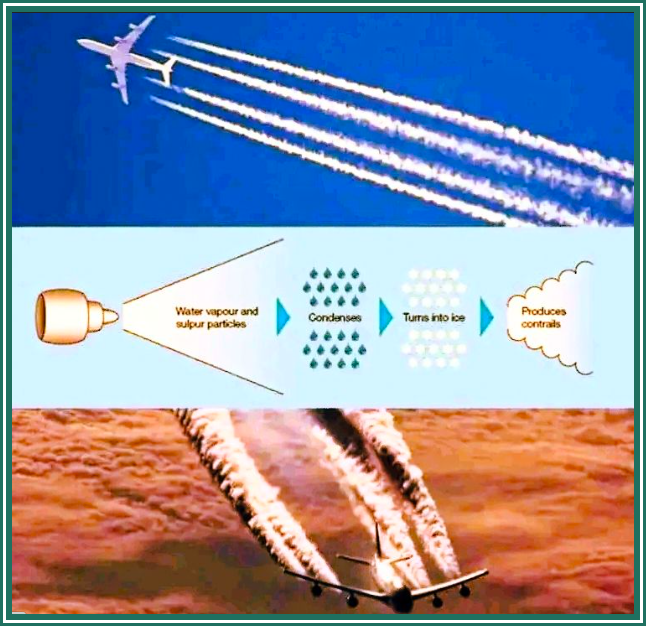 flight paths that it claims would halve the number of warming contrails by 2040, with a CLIMATE BENEFIT SUBSTANTIALLY LARGER THAN THE IMPACT OF THE CO2 EMISSIONS CAUSED BY THE EXTRA FUEL BURN.
Contrails are formed when vapour and particles of soot emitted from aircraft engines freeze into ice crystals in certain conditions and regions to create clouds that can trap heat.
“Global aviation traffic doubled between 2005 and 2019, and its CO2 emissions grew by 40%,” said the scientists[i] in their letter, “and that just covers part of the problem. Planes cause much more warming than just through their CO2 emissions. Non-CO2 effects of aviation, such as nitrogen oxides and contrails, warm the planet at least as much as aviation’s CO2.
“Most contrails dissolve within a few minutes, but in certain conditions they can persist in the atmosphere, spread out and become artificial cirrus clouds with a net warming effect. The climate impact of these effects has been known for more than 25 years.”
But despite this knowledge[ii]i, said the scientists, little has been done to address the problem.
“We, aviation and climate scientists, call upon global decision-makers to implement solutions to tackle non-CO2 effects of aviation on top of decarbonisation efforts,” they said.
“This starts by better awareness-raising of the general public. Airline passengers should be informed of the full climate impact of flying when booking a flight and companies performing business flights should include non-CO2 in their corporate reporting.”
As well, said the scientists, large-scale tests should be performed of contrail avoidance measures, supported by research and backed by government policies and monitoring designed to reduce warming contrails and other non-CO2 impacts of aircraft.
“This is a ‘no regrets’ approach that will help to slow climate change by a significant margin,” the scientists said. “Delaying action would be a critical error.”
Their letter closely follows the release of a Transport & Environment report, which states that by “tweaking the flight plans of only a few flights”, contrail-induced warming could be halved by 2040.
The report says the NET WARMING EFFECT OF AIRCRAFT CONTRAILS WAS “AT LEAST AS IMPORTANT” AS THE DAMAGE CAUSED BY CO2 EMISSIONS FROM AIRCRAFT AND THAT JUST 3% OF FLIGHTS PRODUCE 80% OF CONTRAIL WARMING. It argues contrail reductions could be achieved simply by changing flight plans slightly to avoid conditions known to cause the phenomenon.
Such a strategy would marginally increase fuel consumption, said T&E, but would still deliver greater environmental benefits by preventing contrail formation.
“Changing flight paths to avoid contrails will only happen on a very small number of flights, and only for a small part of the journey,” says the report, adding that the climate benefits of from avoiding the most warming contrails would exceed the CO2 penalty of rerouting the plane by a factor between 15 and 40 times.
“The extra fuel burnt to avoid contrails would be LESS THAN 0.5% ON THE WHOLE FLEET OVER A YEAR. And on those few flights where rerouting will happen, 80% OF THE CONTRAIL warming of the flight can be avoided with AN EXTRA FUEL BURN OF 5% OR LESS.”
The study conservatively estimates that slightly changing the flight path of a Paris – New York flight to avoid contrail formation would cost less than €4 per ticket, covering extra fuel used for the diversion and the use of associated technologies including humidity sensors and satellites.
Commenting on the report, T&E’s aviation technical manager, Carlos Lopez de la Osa, said some in aviation “overstate the scientific uncertainty of warming contrails – but the climate benefits of contrail avoidance are huge, and solutions are improving by the day.
“The aviation industry is being offered a simple and cheap way to reduce its climate impact. By identifying the very few flights that cause warming contrails and then tweaking their flight paths, we can have an immediate effect on contrails warming. So let’s no longer discuss whether we have to do it, but how to do it.”
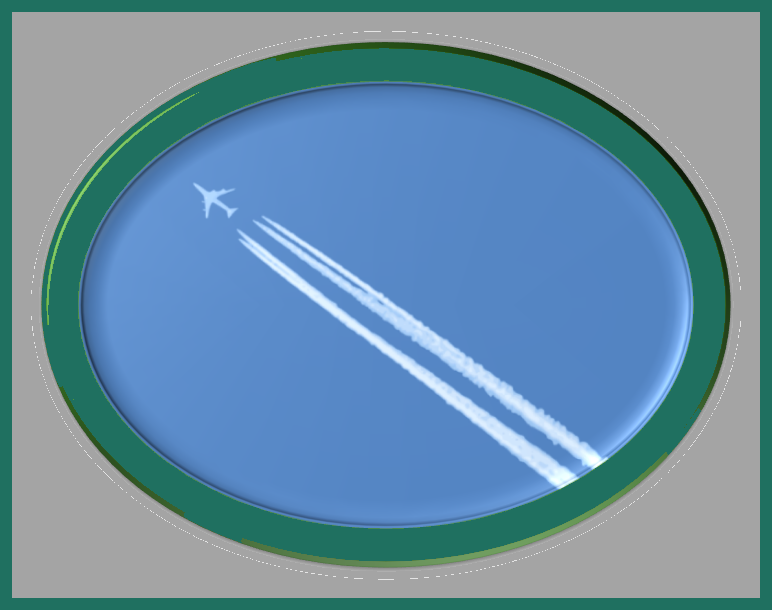
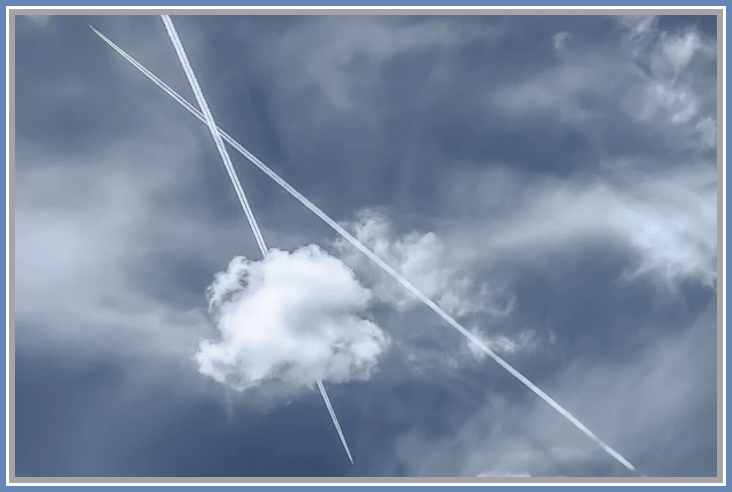
Photo (T&E): Contrails, short for condensation trails, are created by aircraft flying through cold and humid areas of the atmosphere.

Tony Harrington
Correspondent
Operational Opportunities to Reduce Climate Effects of Contrails (ICAO CAEP); Review of Past Decade of Aviation Contrail Research: Insights and Future Directions for Operational Mitigation (NASA 2025); Aviation contrails and their climate effect Tackling uncertainties and enabling solutions ( IATA 2024)
iiEffective implementation would require flexible air traffic management, airline dispatch tools that can ingest contrail/climate data, and agreed procedures for when climate-optimized trajectories can override or modify standard routes.
Iii However, uncertainty on the magnitude of the contribution is considerable, especially on a smaller scale / locally and for individual flights. The related upper air chemistry and physical processes are complex and not well understood (such as the impact of background aerosols and interaction with existing cirrus). Additionally, missing data on the humidity field in the upper atmosphere and on particulate matter emissions from engines limits understanding of contrail formation and in particular, persistence. Envreport2025_40.pdf