Innovative Technology is much needed, but novel ideas test the FAA’s risk adversity
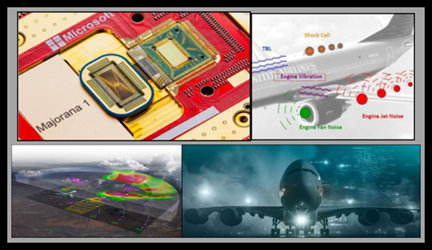
In AVIATION as in history, the past is prologue. The below article tracks some of the aviation innovations that likely will not be certificated by histories of prior roots, or even reasonable extrapolations from a previous iteration. Just to create a sense of the scope of these challenges[1] for the FAA airworthiness professionals, who, by safety’s adversity to risk are cautious, are to face in the near future-
- AI‑Enhanced Predictive & Diagnostic Systems
- Engine vibration diagnostics with AI
- AI‑driven structural monitoring (“smart skins”)
- AI as a cockpit decision‑support tool
- Advanced Sensor & Material Technologies
- Smart skins with self‑healing materials
- Surfaces capable of repairing minor cracks or punctures, reducing risk of structural degradation in flight.
- Energy‑harvesting exterior materials
- Surfaces that capture solar energy to power distributed sensors, improving redundancy and resilience.
- Next‑Generation Weather & Hazard Detection
- 3‑D weather radar with turbulence, hail, and lightning prediction
- More widespread deployment of advanced radar in business & general aviation
- Bringing airline‑level hazard detection to smaller aircraft categories.
- Navigation & Position Assurance
- Next‑generation Inertial Measurement Units (IMUs)
- Open‑architecture, modular avionics
- Faster updates, more redundancy, and easier integration of safety‑critical apps across platforms.
- Pilot‑System Interaction & Situational Awareness
- Augmented‑reality cockpit displays
- More immersive HUD/HMD systems that overlay hazard, terrain, and traffic information directly into the pilot’s field of view.
- Next‑generation cockpit interfaces reducing cognitive load
- More intuitive, adaptive displays that streamline information and reduce pilot workload.
- Connected Aircraft & Data‑Driven Safety
- Fully networked “Connected Aircraft” ecosystems
- Enhanced connectivity & data‑sharing infrastructure
- Supports fleet‑wide safety analytics, real‑time updates, and improved dispatch reliability.
- Digital Twins & Simulation
- Aircraft digital twins for continuous safety monitoring
- High‑fidelity virtual replicas used to simulate failures, predict maintenance needs, and validate avionics updates before deployment.
- Cyber‑Resilient Avionics
- Built‑in cybersecurity protections for avionics networks
- As systems become more connected, avionics are being designed with hardened architectures to prevent interference or malicious access.
The FAA faces a complex and evolving challenge when certificating innovative avionics and aircraft systems that lack prior operational history. These challenges stem from regulatory, technical, and institutional gaps that make it difficult to apply traditional certification frameworks to novel technologies. With new systems, there is little past on which to base the critical safety determination of AIRWORTHINESS.
The range of avionics being developed in the attached article is beyond the scope of the existing certification criteria and may not have yet been included in any FAR operating requirement. This compels the FAA staff to negotiate custom certification bases under 14 CFR § 21.17(b), which is time-consuming and inconsistent across applicants.
Therein lies a significant hurdle for the innovators in seeking to get the FAA seal of approval for their new products. The career staff likely have little familiarity with the engineering on which the proposed design is based. The FAA has established a Center for Emerging Concepts and Innovation (CECI); its purpose is as follows:
CECI’s work is not yet public; so, its record on setting criteria is not yet known.

The FAA’s certification culture is marked by jargon, acronyms and basic concepts that are not all intuitive. The discussions may bog down in trying to determine what the AIR experts really mean by some unfamiliar terms; equally, in responding to data requests from the staff, the ability to convert what is said into what is really needed is a skill gained over multiple such experience. For example, when a request is made of the applicant, a Subject Matter Expert is more likely to expand experimental data collection and simulation to support certification of novel avionics beyond the described “test’, i.e. to know/anticipate what the regulator needs.
One avenue which may be most relevant to new aircraft safety systems is the Non-required Safety Enhancing (NORSEE). This policy was issued to promote innovation by providing a streamlined approval process for equipment that measurably increases aircraft safety. NORSEE applies to aircraft under .3 14 CFR Parts 23.27 and 25 (not unmanned aircraft). Though it does not to commercial aircraft, obtaining a quick NORSEE approval, flying an aircraft to develop data and then using the experience to move to Part 25.
These exciting technologies should get top priority with the FAA. Getting to the front of the line does not translate to expedition. Working with experts who have dealt with the regulatory roadblocks is a wise option.
Testing the Avionics Nervous System
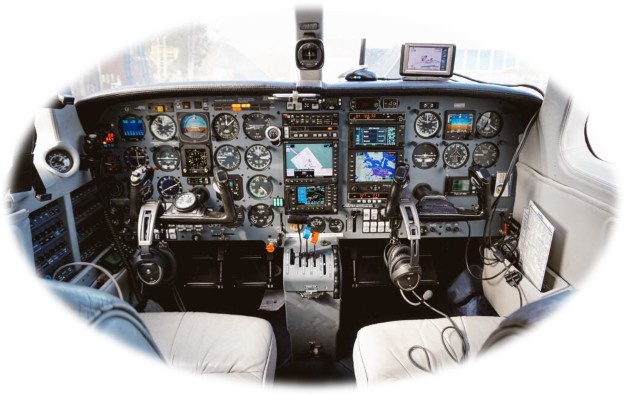
By John Persinos | January 8, 2026
Why next-generation avionics validation is becoming a VALUE DRIVER FOR AIRCRAFT LEASES.
Avionics are the nervous system of the modern aircraft, and the way those systems are tested is evolving almost as quickly as the technology itself.
Software-defined architectures, artificial intelligence (AI)-assisted functions, rising cybersecurity expectations, and shifting certification standards are pushing test engineers away from static, single-purpose equipment toward agile, software-upgradable platforms designed to keep pace with continuous change.
The consequences extend well beyond the engineering floor. Robust, future-proof avionics testing increasingly feeds through to aircraft reliability and uptime, and ultimately into lease rates and base values.
At the heart of this transition is a move from hardware-locked testing to software-led capability. Legacy avionics test equipment was typically built for a narrow task and often struggled as new standards emerged.
Today, much of the functionality in both avionics and their associated test systems is defined in software, allowing field upgrades that extend useful life far beyond original specifications. That flexibility is becoming essential as aircraft grow more interconnected and certification regimes work to catch up with the pace of innovation.
Testing itself has expanded in scope and moved earlier in the development cycle. Validation is no longer limited to isolated component checks but increasingly encompasses full-system simulation. Iron birds and e-birds now support pilot-in-the-loop testing, bypassing, and restbus simulation, enabling embedded systems to be exercised under realistic conditions well before first flight.
Risk Reduction Tool
Digital twinning has become a central tool for risk reduction. As avionics architectures grow more complex, especially with the widespread adoption of multicore processors, accurate timing behavior is critical. It underpins both functional safety and the credibility of certification evidence, and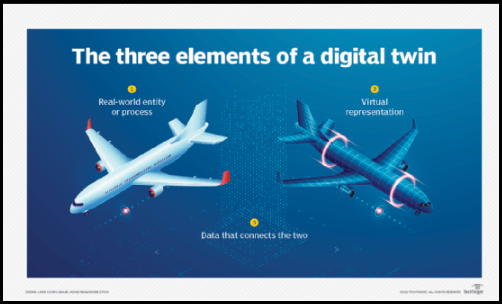 deficiencies are increasingly scrutinized by regulators.
AI and machine learning (ML) are also beginning to influence testing workflows, even if they remain outside certifiable flight code. AI-assisted testing can help identify edge cases, shorten test cycles, and provide deeper insight into system behavior.
Predictive maintenance is another emerging application, with ML models trained on digital twins to detect early fault signatures before they manifest in service. While AI-generated code itself is not certifiable, AI-enabled testing is becoming a practical way to improve coverage and efficiency.
Customer demand is reinforcing this direction. Engineers want testing environments that allow a seamless transition from virtual design to real-world validation, moving from desktop simulation to component-level and full-aircraft hardware-in-the-loop testing without changing toolchains. This continuity reduces rework, improves traceability, and shortens time to certification.
Operational realities are also shaping how testing evolves. GPS re-radiation systems commonly used in hangars can interfere with aircraft navigation systems, a risk underscored by recent FAA safety alerts. As aircraft become more dependent on satellite navigation and integrated data links, validating system behavior in realistic electromagnetic environments is no longer optional.
Cybersecurity has likewise become inseparable from avionics testing. As aircraft networks expand and connectivity increases, demand for robustness testing is rising, even in areas where encryption is not yet universal. Lessors and operators are increasingly aware that cybersecurity weaknesses can translate into operational disruptions and regulatory exposure.
For aircraft owners, lessors, and financiers, these developments are not academic. Aircraft equipped with modern, upgradeable avionics and supported by rigorous, system-level testing are better positioned to absorb future regulatory changes, cybersecurity requirements, and evolving operational demands. The result is higher dispatch reliability, fewer maintenance surprises, and stronger appeal in the secondary market.
This article first appeared in Aircraft Value News.
John Persinos is the editor-in-chief of Aircraft Value News.
[1] Smart Sensors and AI: The Next Frontier in Aircraft Safety; Five Aviation Technologies Making Flight Safer than Ever; The Future of Avionics: Trends to Watch in the Next Decade Shaping Aviation Innovation and Safety | Super Avionics
;
;;
