FAA’s Congressional Lessons on Coach Seat SAFETY applied to new LUXURY SUITES
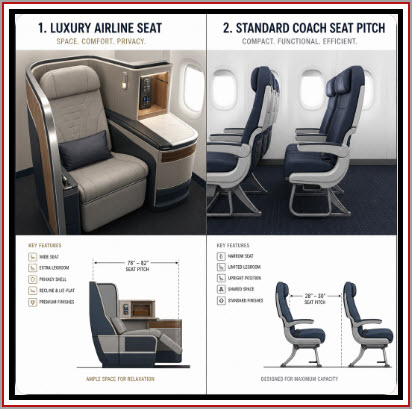
What goes around, comes around. For almost 2 decades, Congress has repeatedly scolded the FAA for failing to protect their constituents from the discomfort of the shrinking coach seat pitch. Their concern about the FAA’s determining airline leg room is safe is NOW delaying the introduction of new luxury suites that occasionally the carriers upgrade the Members to sit there. The below Simple Flying article details the problems.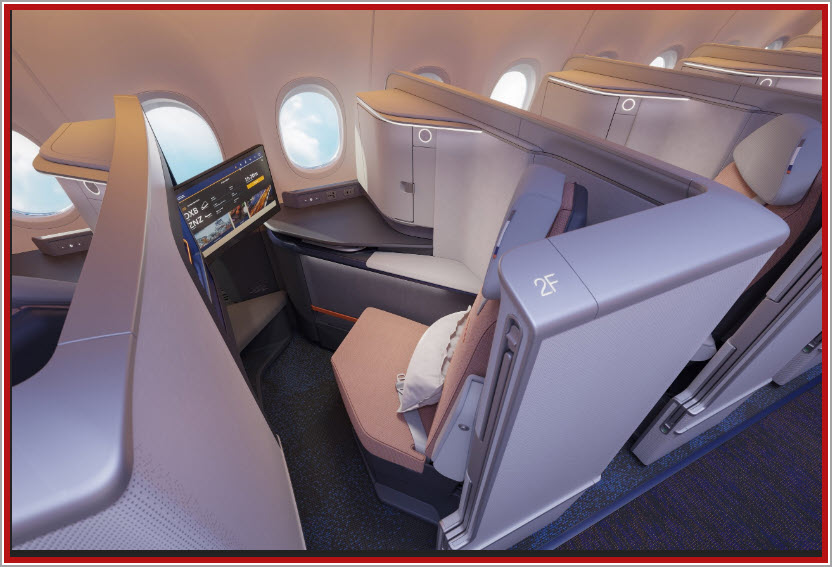
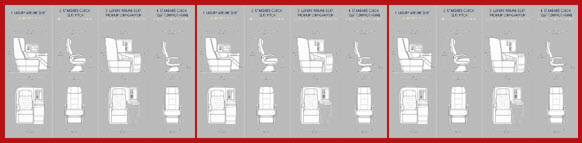
In a move driven to increase airline capacity and keep fares low, U.S. airlines began reducing seat pitch from the traditional 32 inches toward 30–28 inches, Members of Congress increasingly questioned whether smaller seats could impede 90‑second emergency evacuations, the FAA’s regulatory benchmark. Lawmakers argued that shrinking seats, combined with an aging and larger passenger population, warranted updated evacuation testing. Their pressure culminated in the 2018 FAA Reauthorization Act, which forced FAA to study seat-size impacts on evacuation and begin rulemaking on minimum seat dimensions. Congressional letters—especially in 2022[1]—criticized FAA for delays and demanded stronger, more realistic testing to ensure that reduced seat pitch does not compromise evacuation safety.
Having been thoroughly lectured by their omniscient elected bosses, the FAA is now scrutinizing seats with commodious seat pitches: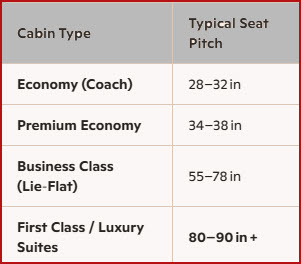
As Administrator Bedford pointed out, the Airworthiness Staff is scrutinizing the following aspects of these new designs—
- How seats are positioned in the aircraft, (see above picture of an angled luxe seat)
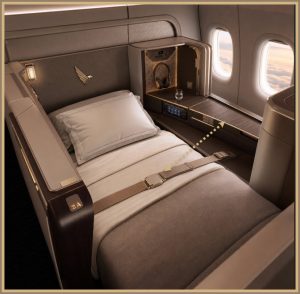 the design of buckles and beds,
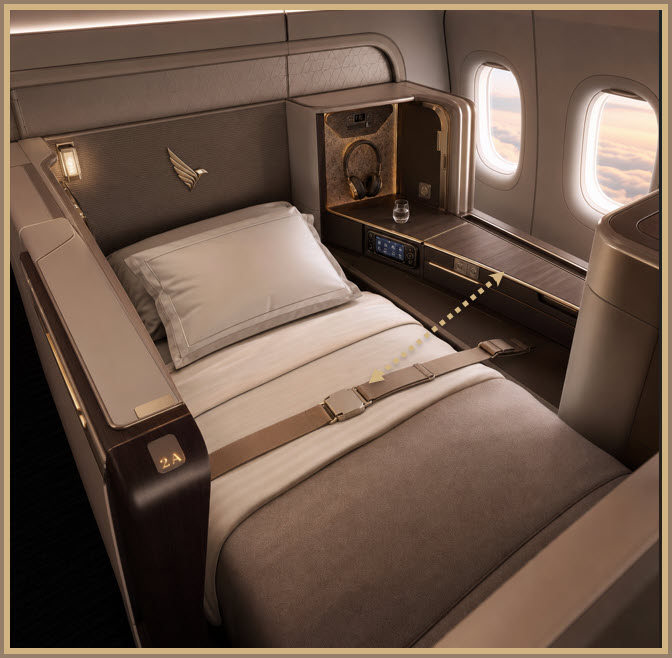
- have affected how, in an emergency, passengers can safely evacuate the aircraft,
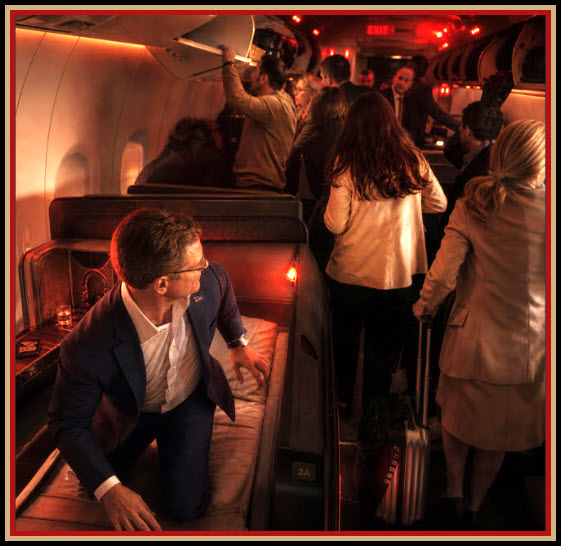
- in addition to how passengers will be protected in the instance of sudden braking actions.
The design of aircraft seats involves a number of important airworthiness requirements[2]–
- Structural Strength and Crashworthiness
- Flammability and Materials
- Occupant Protection and Restraints
- Installation and Configuration
- Emergency Evacuation Compatibility
- Certification and Testing
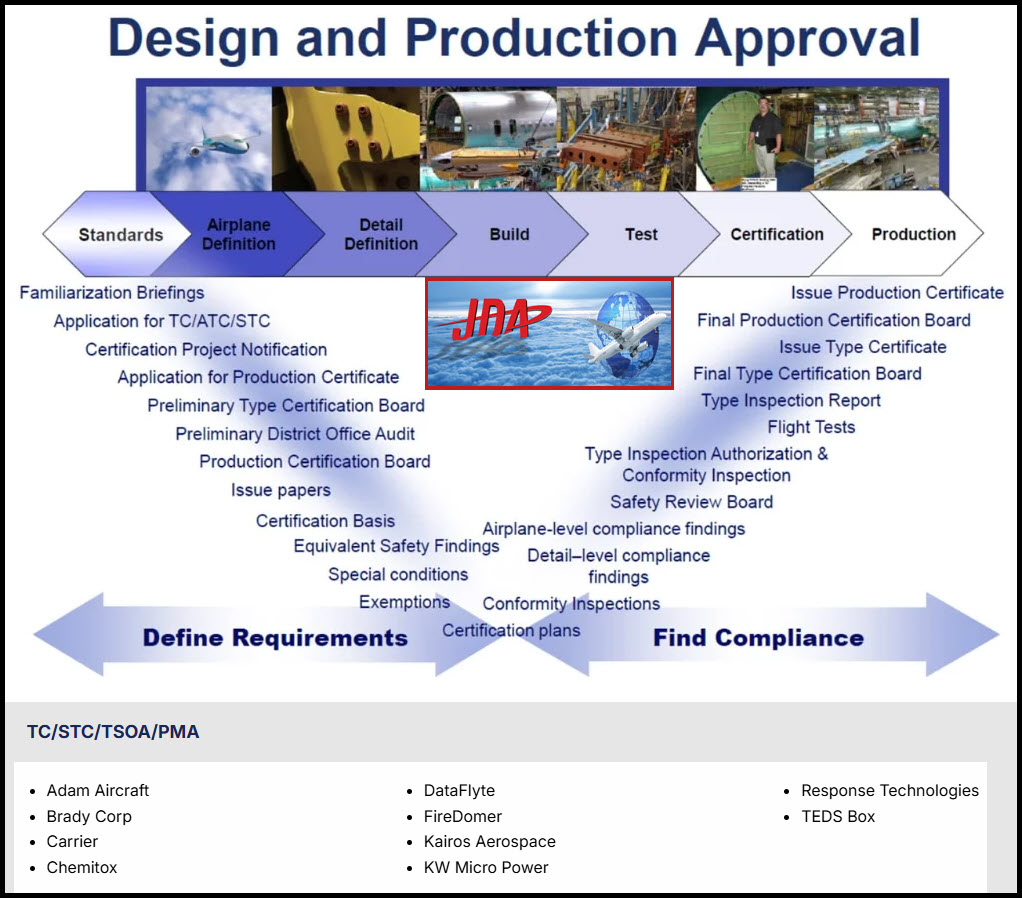
As with many traditional FAA standards these are largely prescriptive standards. The luxury configuration challenges the underlying parameters of the traditional seat orientation. The designer of these seats must try to anticipate what the certification tests will be adjusted to deal with INNOVATION. For example, these upscale passengers want more entertainment equipment, more receptacles for plugging in their electronics, places to store their personal possessions and greater comfort/privacy, etc. A fairly static seat test becomes multi-variate calculus for these new suites. To navigate the certification process, it is helpful to have help from someone who has experience with TSOs of novel designs.
Unique safety hurdles have forced REGULATORY AND CERTIFICATION DELAYS FOR SEVERAL AIRLINES, after novel seat configurations have created safety challenges. The head of the US Federal Aviation Administration, Bryan Bedford, noted to Bloomberg on Thursday, May 28, that many premium seats are not passing human factor tests.
How seats are positioned in the aircraft, or the design of buckles and beds, have affected how, in an emergency, passengers can safely evacuate the aircraft, in addition to how passengers will be protected in the instance of sudden braking actions. These delays to seat certification, alongside the supply chain challenges facing the aviation industry, have seen airlines complaining about ongoing delays.
Bryan Bedford Outlines The New Safety Challenges In Luxury Seats
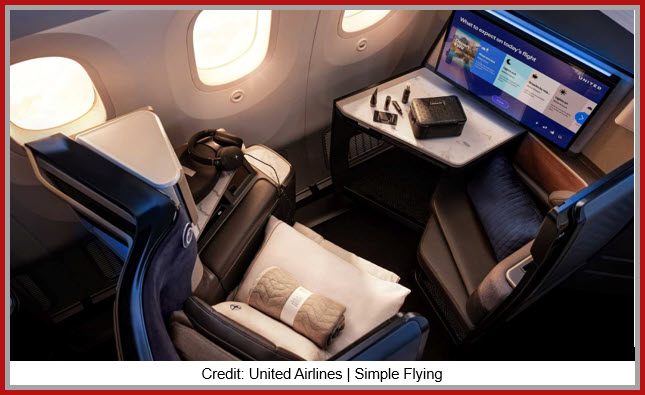 Bedford told several reporters in Charleston, South Carolina, this week that there has been an increase in newer seat designs, especially those for premium cabins, which have struggled to pass the human factor tests that are required to meet certification requirements. While Bedford acknowledged that manufacturers are working with the FAA, the administration must be involved earlier in the process to provide sufficient feedback and recommendations.
Boeing’s Chief Executive Officer, Kelly Ortberg, also commented about the challenges at the recent Bernstein Conference at the Hilton Midtown, New York, that the American planemaker continues to work with both the FAA and its European counterpart, EASA (European Union Aviation Safety Agency), to understand and improve the current certification process. Ortberg’s comments below, as per Bloomberg:
“We have airplanes sitting for customers, completely done, waiting for seat certifications. From a delivery perspective, we’ll be fighting seats throughout the year.”
Regulators Around The World Are Facing Similar Issues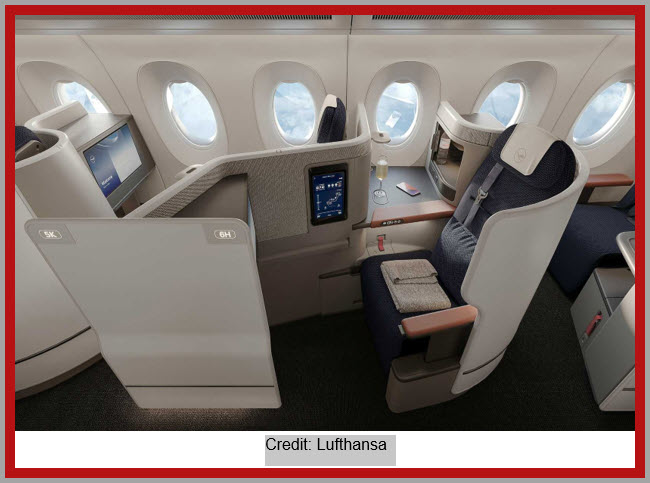
Certification delays are putting unexpected pressure on airlines, as regulators around the world grapple with the new seat designs, echoing Bedford’s comments that regulators must be brought in much earlier to provide sufficient feedback and recommendations during the design process.
Instead, what is currently happening is that the aircraft will be built or retrofitted with new cabin designs before the FAA or other regulators have had the opportunity to fully certify it. At this stage, a choke point occurs, as the regulators assess, and several new cabin designs are not passing the test.
Several notable carriers are currently facing these regulatory challenges, including Atlanta-based Delta Air Lines and Chicago’s United Airlines. Across the Atlantic Ocean, Lufthansa is also facing similar woes. More details on these airlines’ challenges are detailed in the next section of this article.
[1] November 1, 2022 letter from Senators (including Sen. Richard Blumenthal)
[2] Pass dynamic crash tests per § 25.562.; Use FAA‑approved materials per § 25.853.; Maintain safe evacuation geometry per § 25.803.; Be certified under a TSO or type‑design approval.
